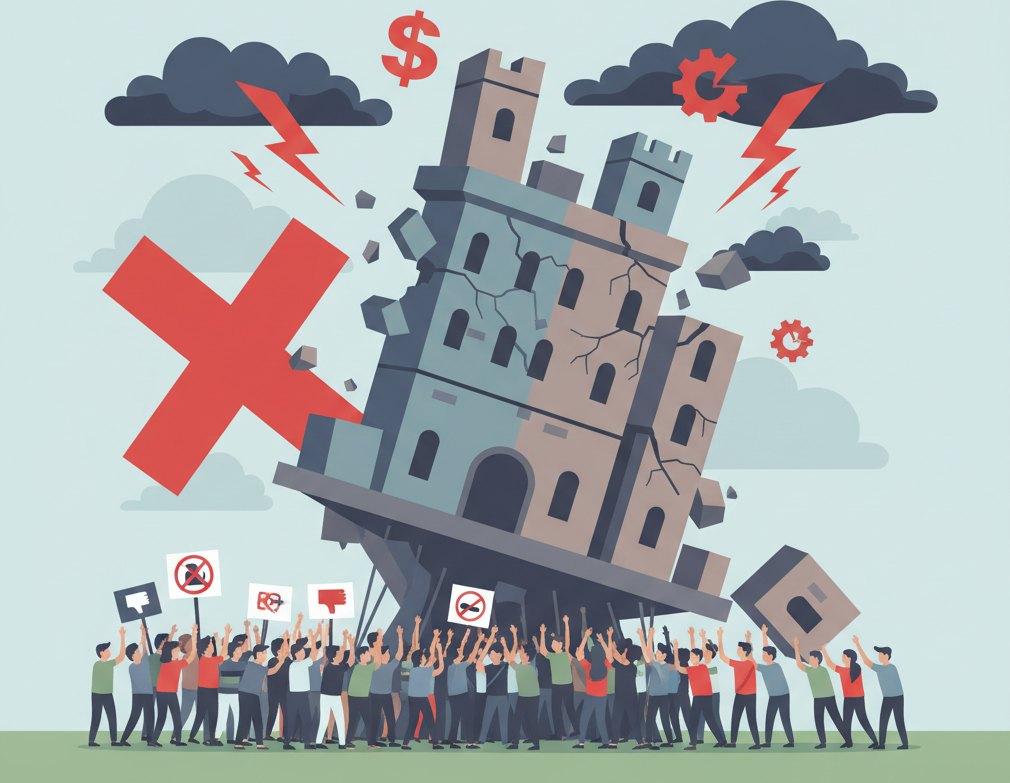
 ReputatioLab, Saper Vedere's crisis and reputation laboratory · Published on 20 November 2025 · Read the original article →


Key insights
- Most of the time, boycotts achieve very little.
- The target must be easily substitutable at no cost to the consumer.
- It is unlikely to have a significant impact unless it is institutional, or unless something persists or shifts.
What is a boycott?
From an economic sanction to a symbolic weapon
Originally, the boycott is a very classic weapon of power politics: it consists in drying up an economic resource in order to force an adversary to give way. In its historical version, it is States or whole communities that decide to stop buying the products of a country or an empire, in order to weigh on a political or colonial decision. The logic is almost military: cutting off supplies.
What campaigners grasp very quickly is that brands are far more sensitive to reputation than a State is: they live in public opinion, depend on trust and invest heavily in image. The logic shifts from seeking an economic sanction to seeking a reputational cost on top of it. A cause is “stuck” to a brand so that it becomes impossible to ignore.
The logic is almost military: cut off supplies.
ReputatioLab, What is a boycott?Social media then arrive
With social media, the boycott goes up yet another notch: it becomes an agenda-setting instrument, a way of getting a subject onto the media and political agenda.
In many recent cases, the question is not whether consumers will really stop buying en masse. The question is: will the call for a boycott make it possible to talk about Gaza, Qatar, human rights, climate, feminism and so on? In other words, the campaign targets the media and politicians' timeline rather than the shop's till.

The Zara case is typical: the “The Jacket” campaign becomes a perfect pretext for pro-Palestinian communities and certain media to link a subject that struggles to mobilise opinion (Gaza) to a universally known reference (a major fast-fashion brand). The brand is less a structural enemy than a vehicle: it makes a cause visible, it gives the controversy images, it turns a distant conflict into concrete outrage around a shocking visual.
The brand is not so much a structural enemy as a vehicle.
ReputatioLab, The Zara caseThe advantages of the boycott
And in the end, for campaigners, it has many advantages:
- It costs nothing: a tweet, a hashtag, an online petition or a viral video is enough to launch the call. Unlike a physical demonstration, there is no need for heavy logistics. This is what is known as slacktivism.
- The aim is not always to actually reduce sales, but to create a moment of public tension in which the brand is forced to justify itself, to explain itself, even to fall into line. In doing so, it makes the fight more visible. While the activists run no risk, the organisation finds itself under public pressure.
- It acts as a ritual of belonging: you pick your side and adopt behaviours that say “I am one of those who resist”.
So, is it effective?
And, fortunately, in the end, it costs nothing, the objective is not necessarily the boycott and it serves as a connector.
A few successes
Because the fact is that most of the time, boycotts do not achieve much. We can speak of:






Many failures


And even a few own goals

In 2018, Nike chose Colin Kaepernick, the NFL player who kneels in protest against police violence, as the face of its new “Believe in something” campaign. American conservatives immediately launched a boycott, with videos of burning shoes as evidence.
In the short term, the share price falls by several billion in 48 hours, and stores located in conservative areas report a drop in sales. But
- Nike's overall sales jump (+31% in 5 days),
- Younger target groups are growing strongly
And what about Sleeping Giants in all this?




When Zemmour took positions on Cnews around 2019, quite a few organisations followed Sleeping Giants without major impact. (ING, Maif, Groupama, Décathlon) Boulevard Voltaire did not provoke any particular reaction. There were always discussions, but not very significant ones.



What keys to decoding a boycott?
- A boycott that works must rest on broad mobilisation (a country, a culture or other).
- It must be sustained over time.
- It must play out both digitally and physically.
- Ideally, it should also rest on institutional relays (elected officials, unions, etc.) and media relays, with a well-known, identifiable target and a political tension.
- It must be sustained over time.
- The target must be easily substitutable at no cost to the consumer (it must be easy to replace).
- It must also hurt more than the opposing ideological camp.
In Leroy Merlin's case, not only are there very few success factors, but the volume is only 21,000 tweets (on the hashtag and its association with the word “boycott”), far below the known far-right mobilisations. The peaks are already falling. An impact is therefore unlikely.
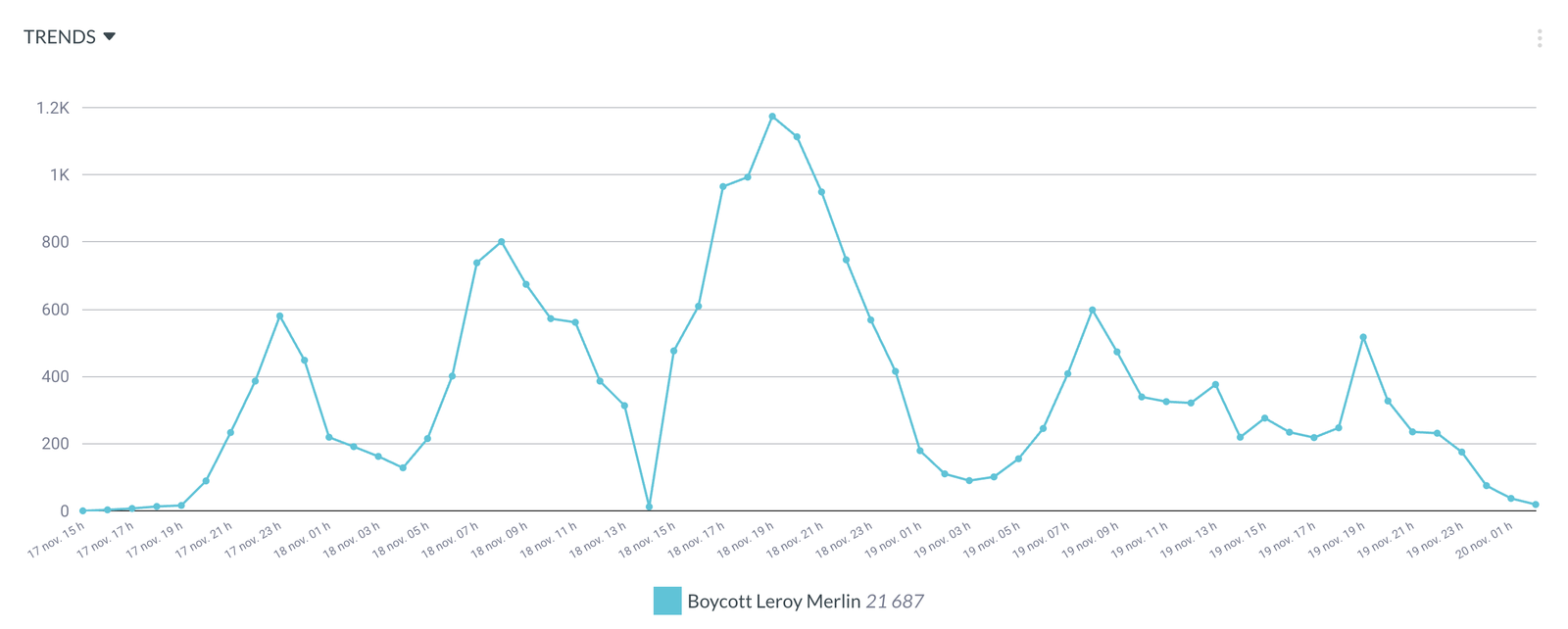

In Shein's case, there is in fact no call for a boycott. Volumes are also sharply down:
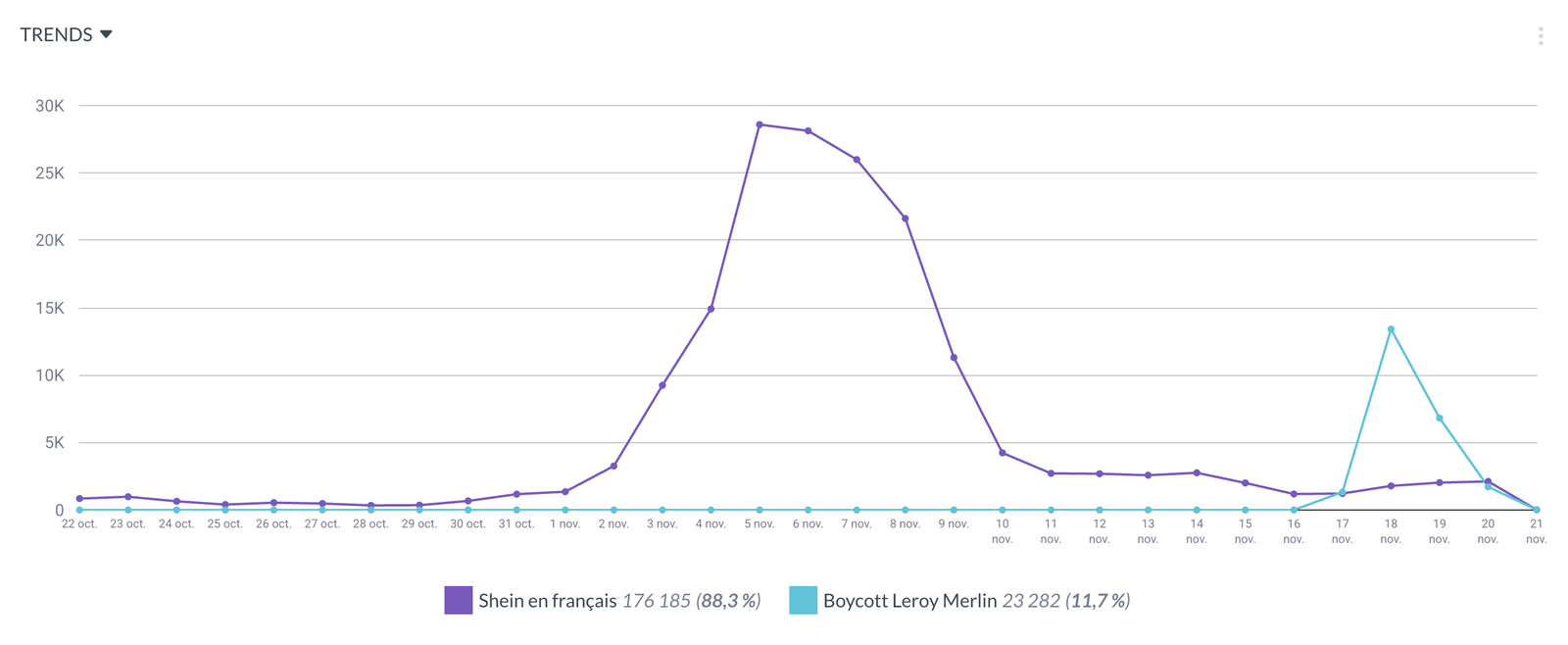
So a major impact is unlikely, unless it is institutional or something persists or shifts.
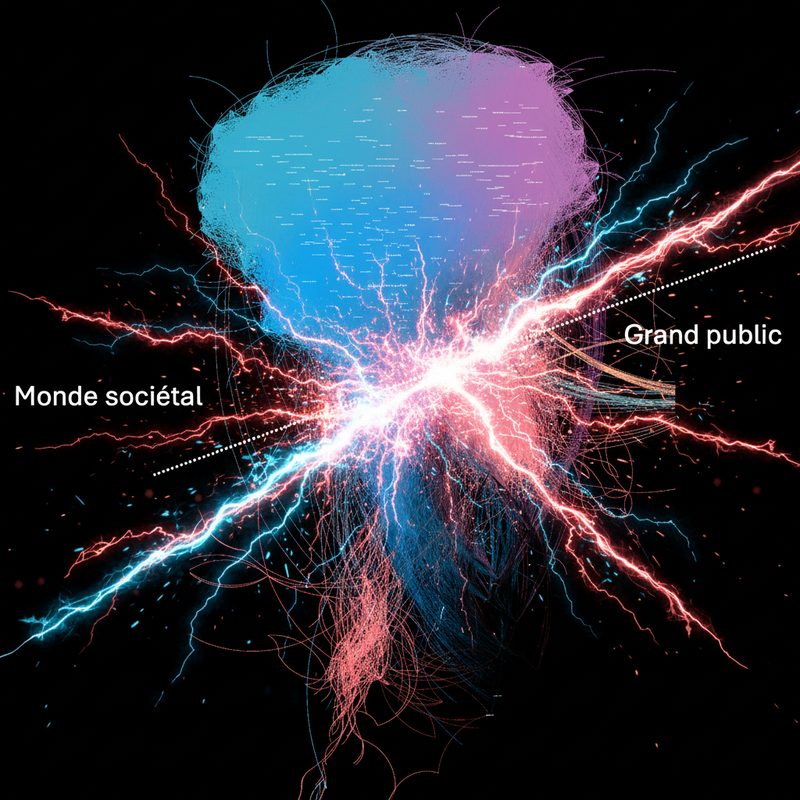
Ten years of boycotts analysed by ReputatioLab
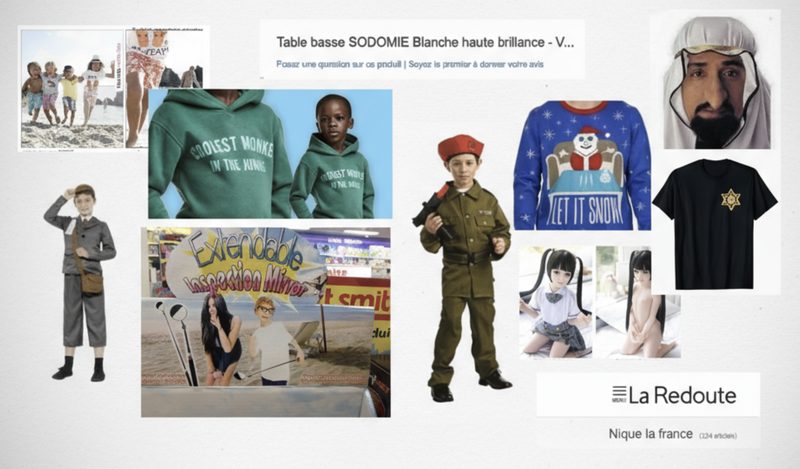
Shein: is the consumer the best lobbying weapon?
BHV had probably not anticipated that its collaboration with Shein would set off such an earthquake. Since announcing the arrival of the Chinese ultra fast fashion giant in its store, the retailer has entered a zone of economic and reputational turbulence.
Read on ReputatioLab →
Zara, the perfect example of boycott movements, and a very good illustration of the importance of context in communications
Zara, a clothing retail chain, launched an advertising campaign called “The Jacket”. The campaign, featuring shocking images of bodies wrapped in shrouds and scenes of war, provoked outrage on social media.
Read on ReputatioLab →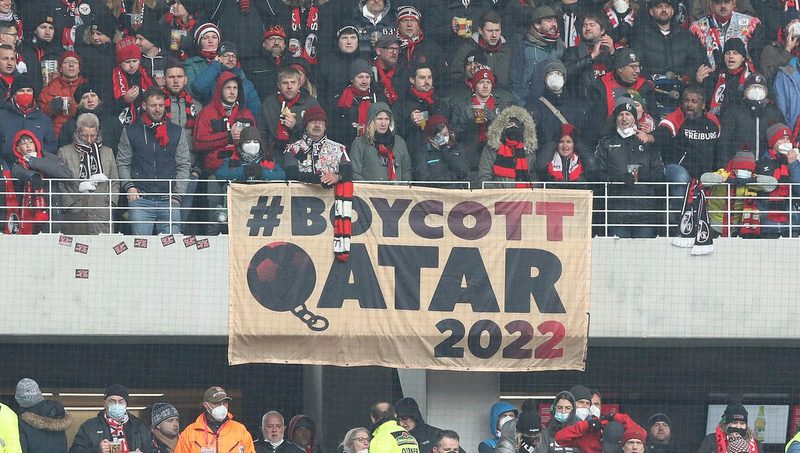
Boycotts and football fans: are they the same people?
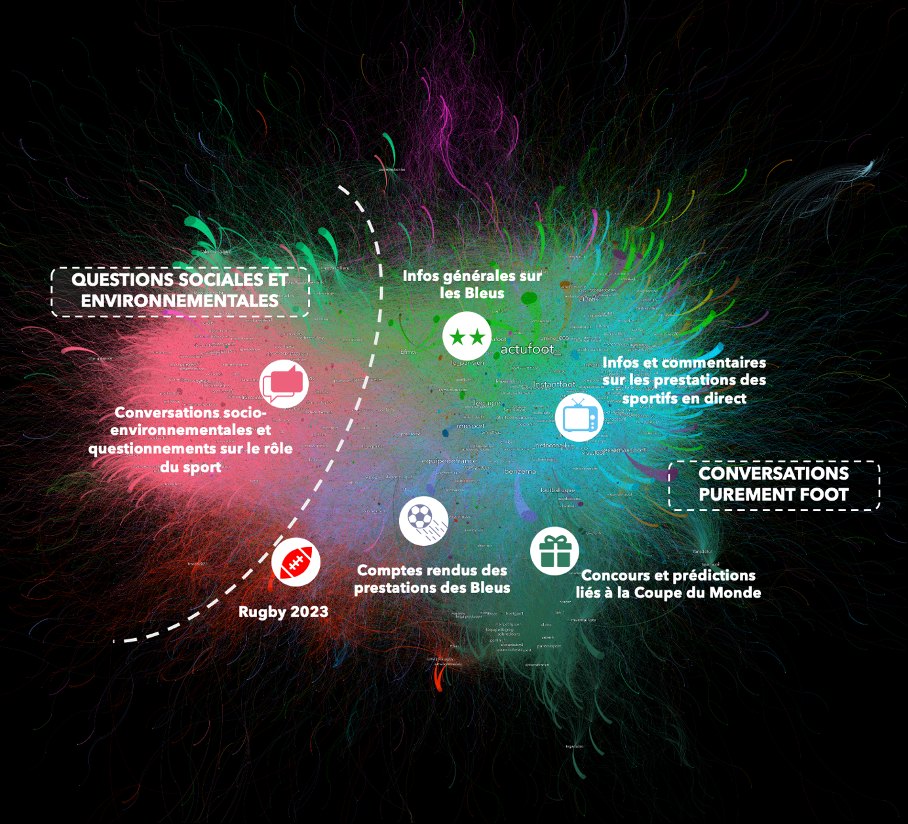
The organisation of the Qatar World Cup raised many ethical questions in the world of sport: ecology, human rights, the representation of minorities, or simply a love of football.
Read on ReputatioLab →
How does a bad buzz happen on Facebook? The Zara case
Cases where a customer's complaints snowball on Facebook are extremely rare. Yet from time to time they happen and get talked about in the press. The mechanics are always the same and I will explain them through various cases, including Zara's. I.
Read on ReputatioLab →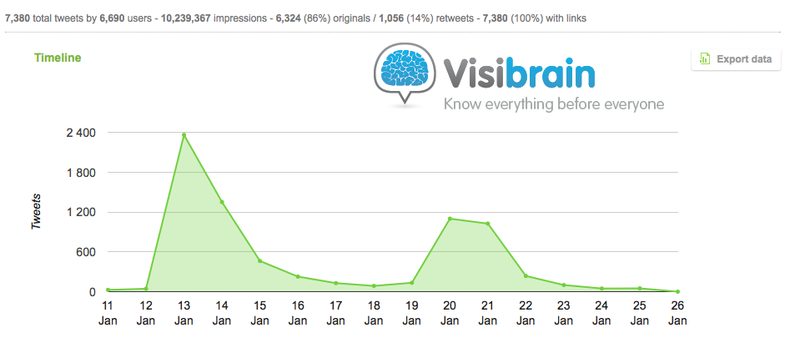
Doritos vs Sum of Us: bad buzz does not always win.
Every year, for the Super Bowl, the Doritos brand, owned by PepsiCo, launches its #crashthesuperbowl video competition. The concept? Internet users have to come up with an advert, and the winning one is broadcast during the Super Bowl.
Read on ReputatioLab →