


Paris2024 and LA2024 are in the starting blocks to win the right to host the 2024 Olympic Games. They are the last two cities still in the running, after Rome, Boston, Hamburg and Budapest withdrew for lack of local enthusiasm.
Against this backdrop, Los Angeles is trying to position itself as a digital city. And it seems that any means will do, judging by some rather dubious signs in its social media presence.
I. The analysis
The starting point: Twitter and suspicious accounts
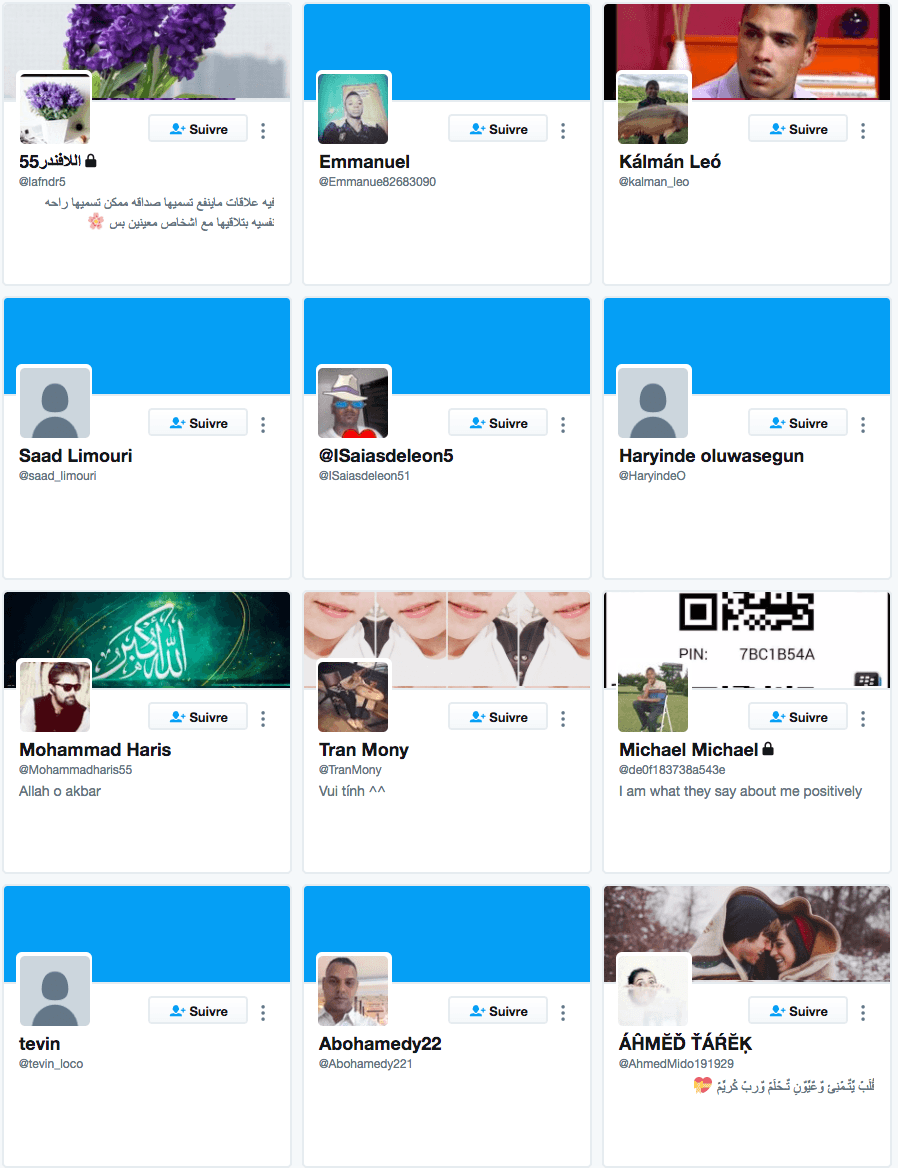
I came across an article summing up the fight between the two cities, neither of which wants to let the 2024 slot go. Looking at the Los Angeles 2024 account, I discovered some rather shady accounts:
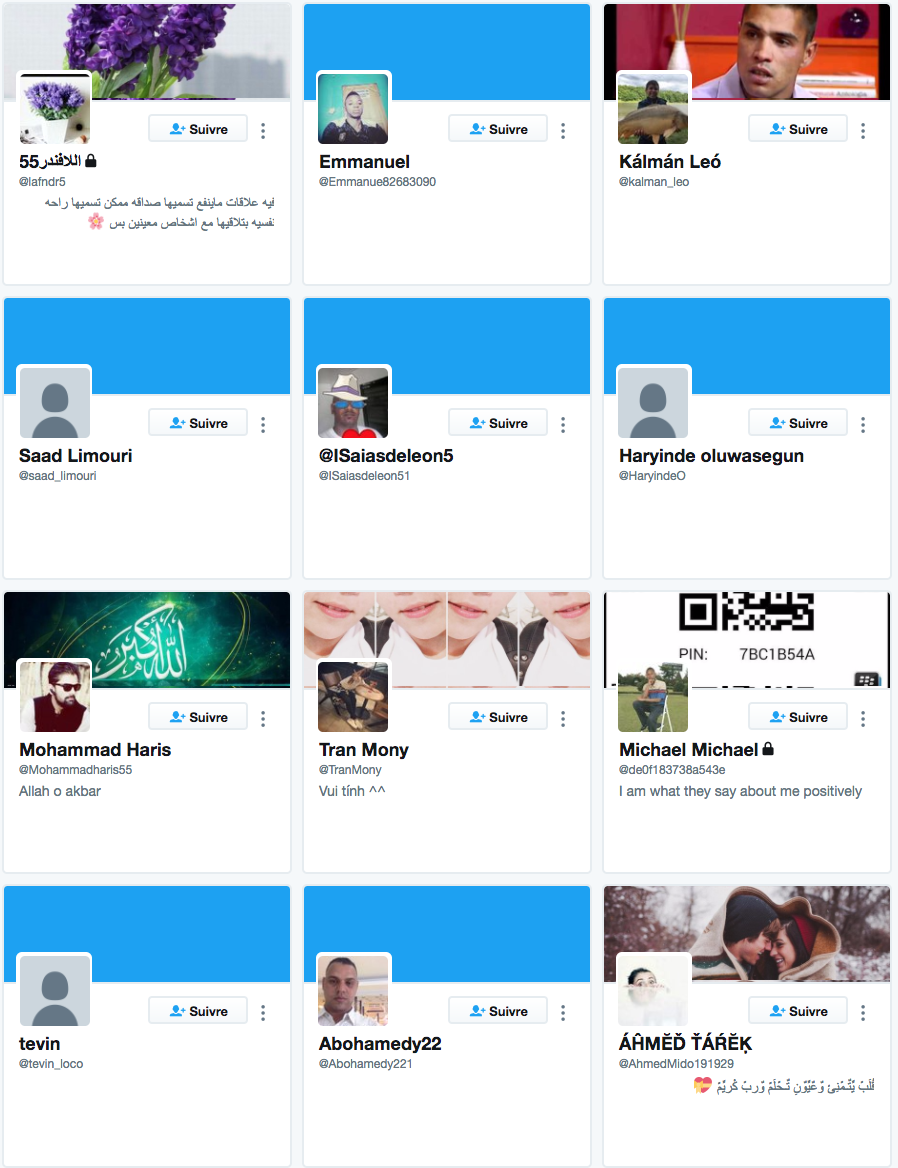
(See for yourselves via the account here; scroll down a little, as the purchases seem to date from February.)
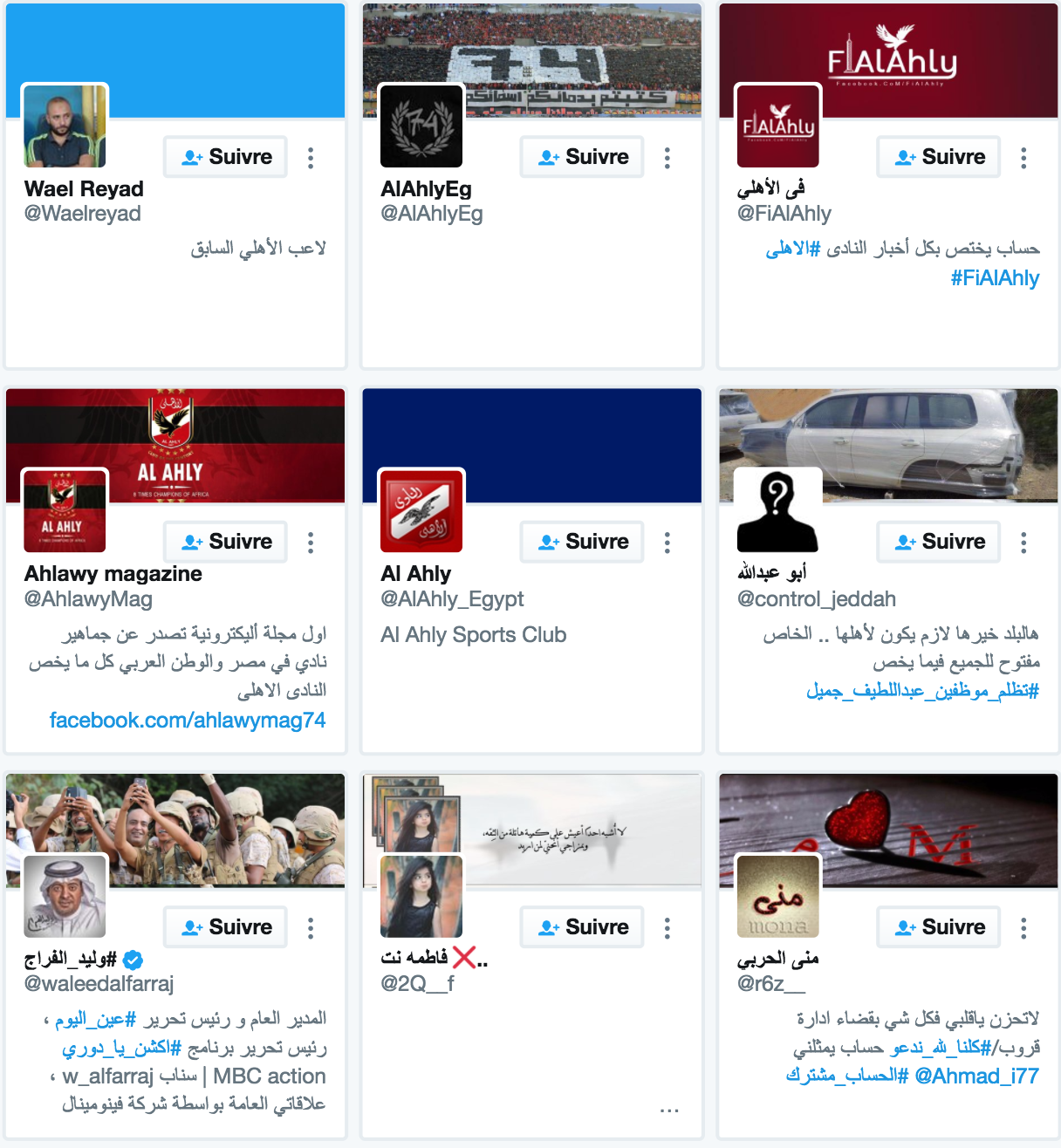
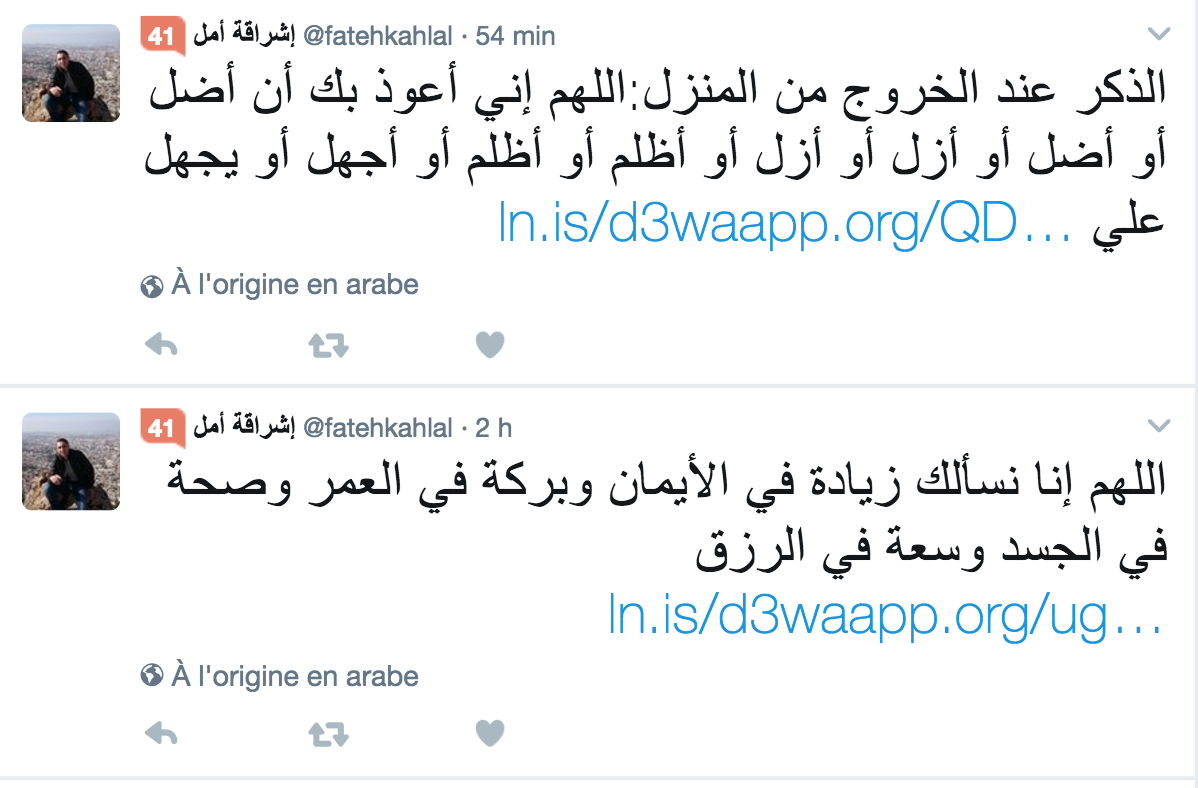
Many accounts appear to come from Arab countries. After all, why not? There are only two cities left in the running. Only, nothing in their activity seems to indicate any interest in sport, the Olympics or even America. 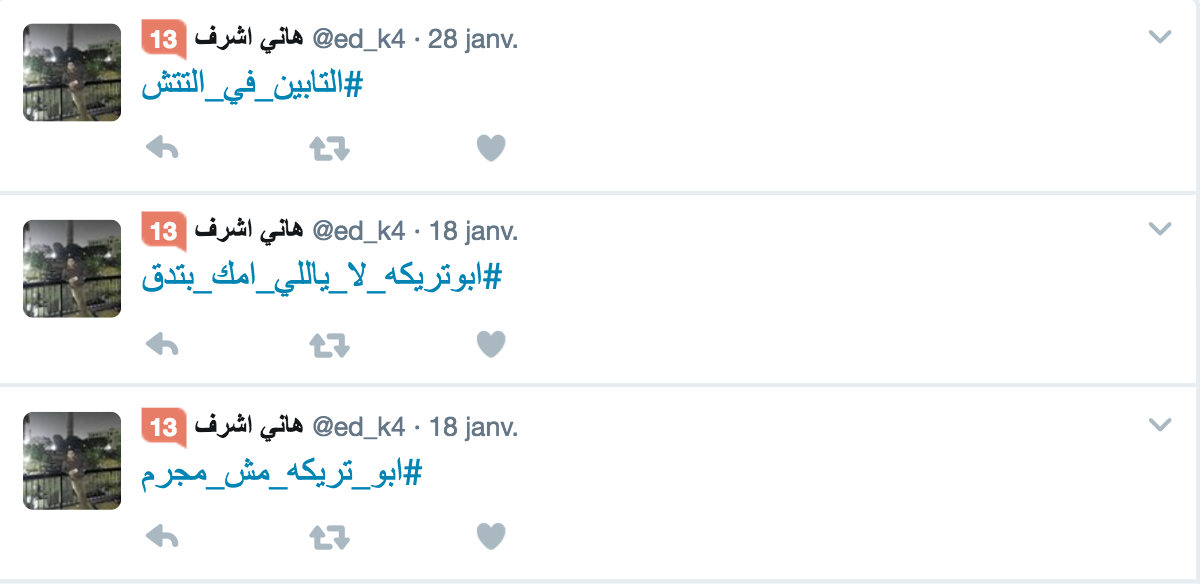
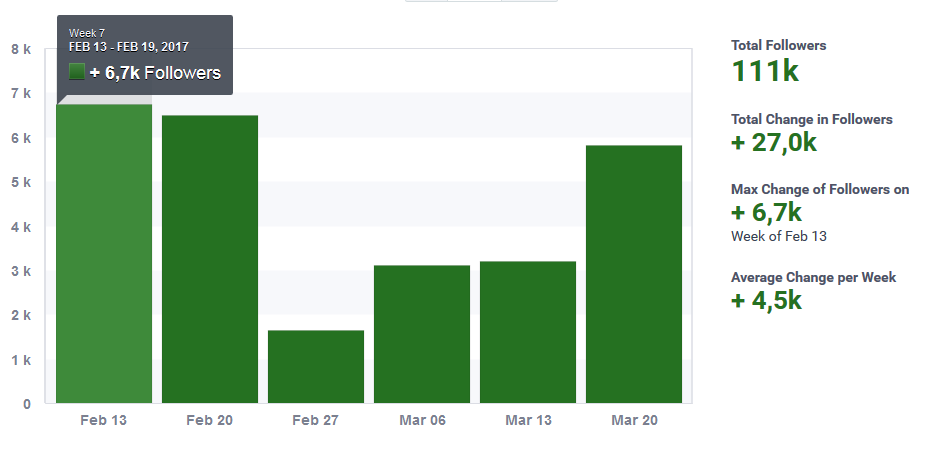
 With good reason: in the last month alone, the account gained no fewer than 27,000 followers! A quarter of the audience of an account created 2 years ago.
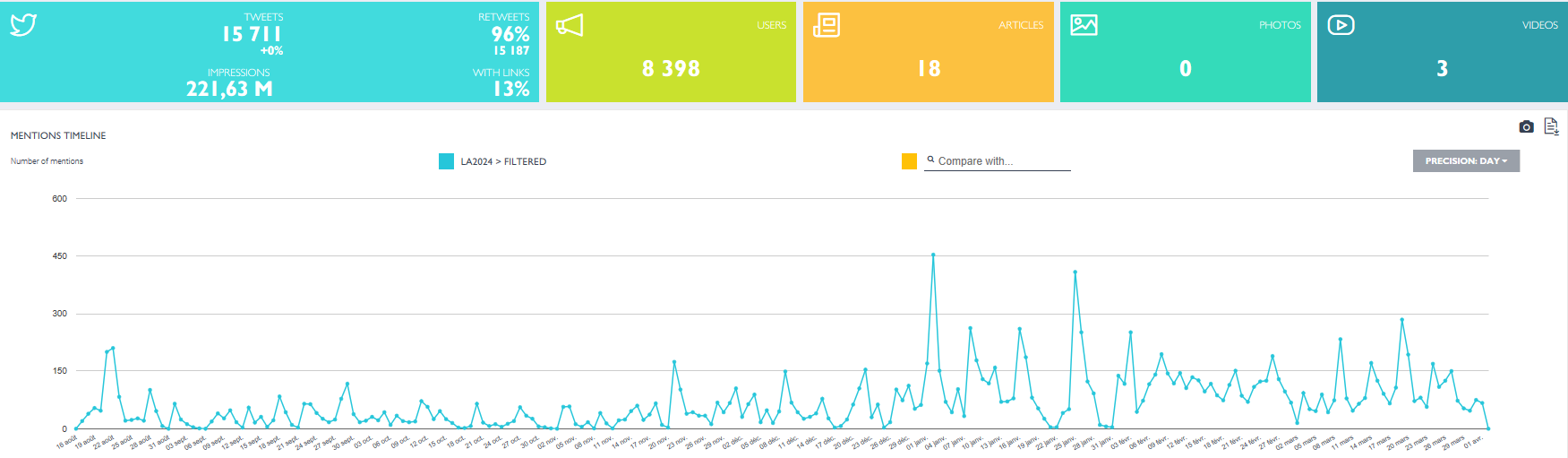
Using Visibrain, I analysed all of the account's activity flows. And, to say the least, the account does not seem to draw crowds: 8,398 participants over a period of 8 months. Enough to seriously call into question the number of active followers.
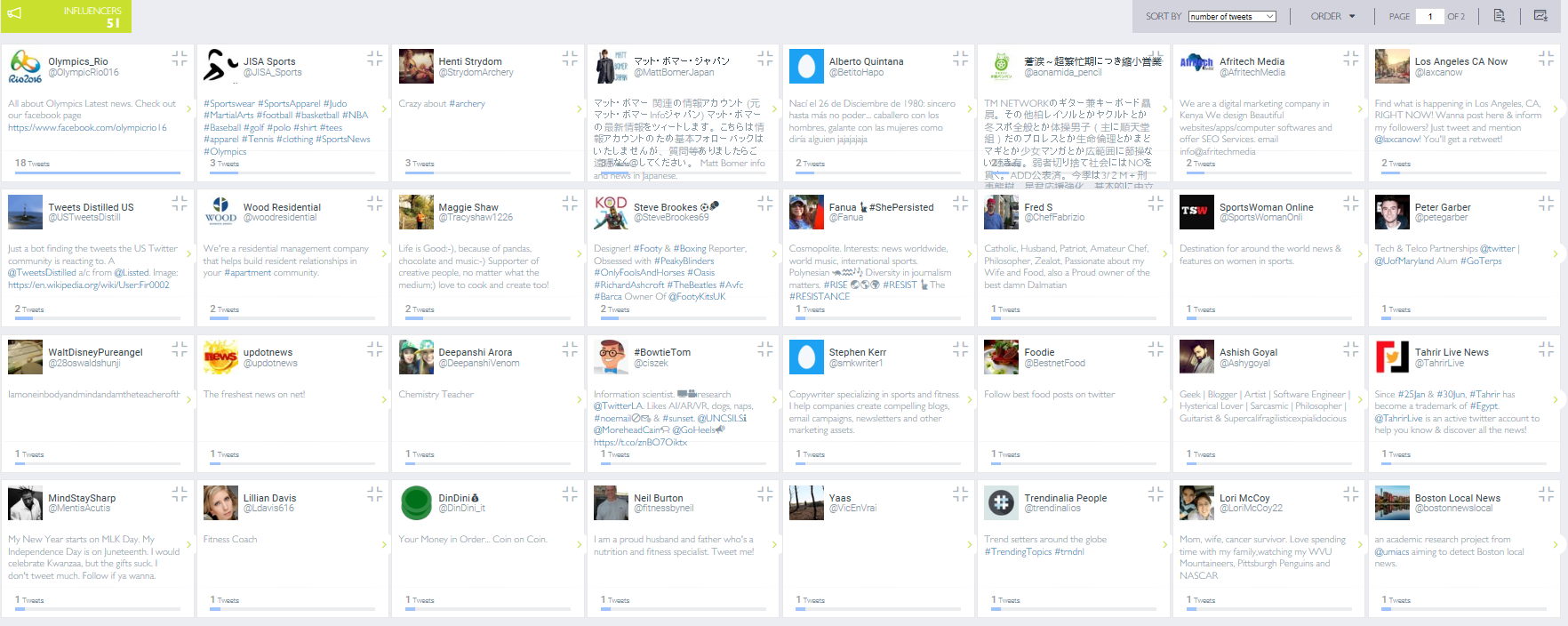
I also analysed the interactions via this account among the 8,398 people. Using a formula, I was able to isolate automated accounts. While many accounts are present, none is directly linked to LA2024.
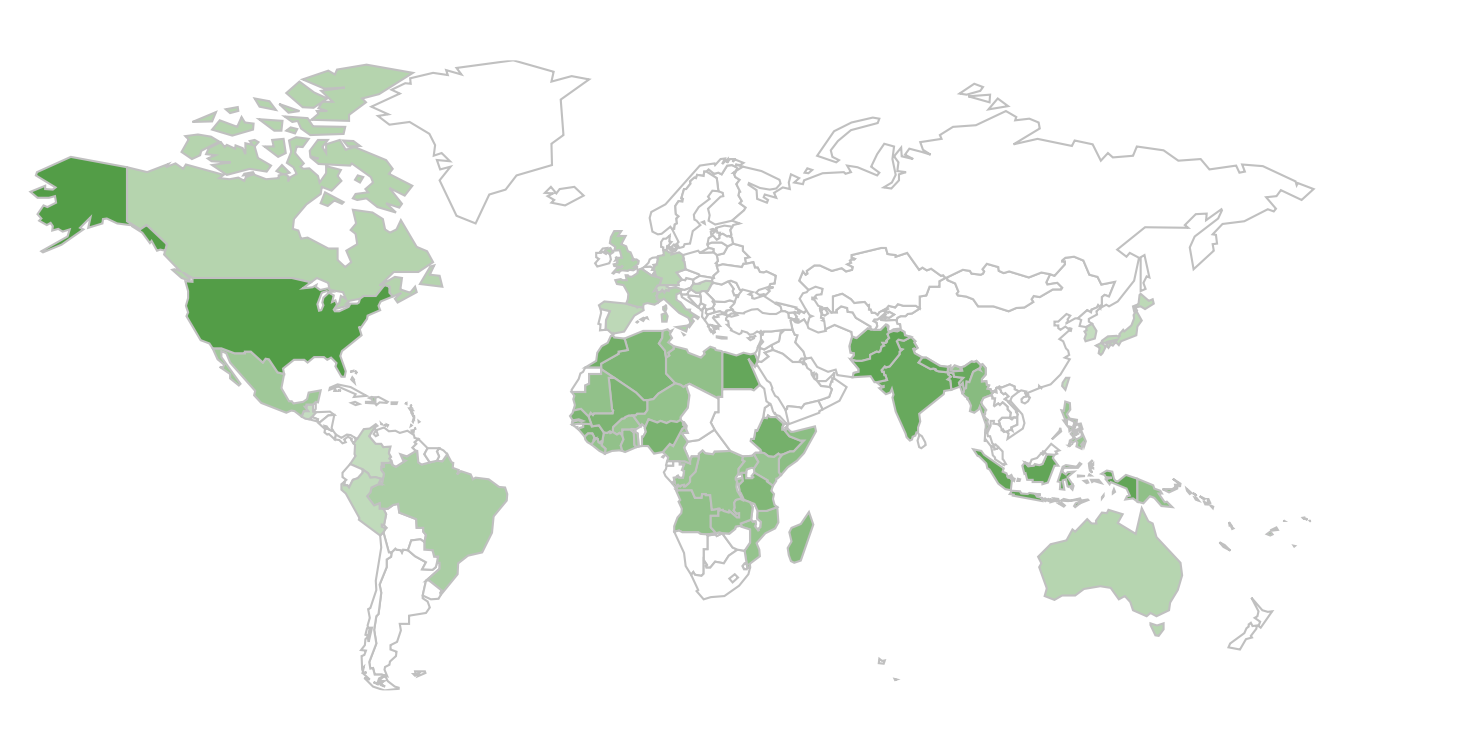
Only, the countries of origin of the people interacting can also raise suspicion, since more than 55% of interactions do not come from the United States:
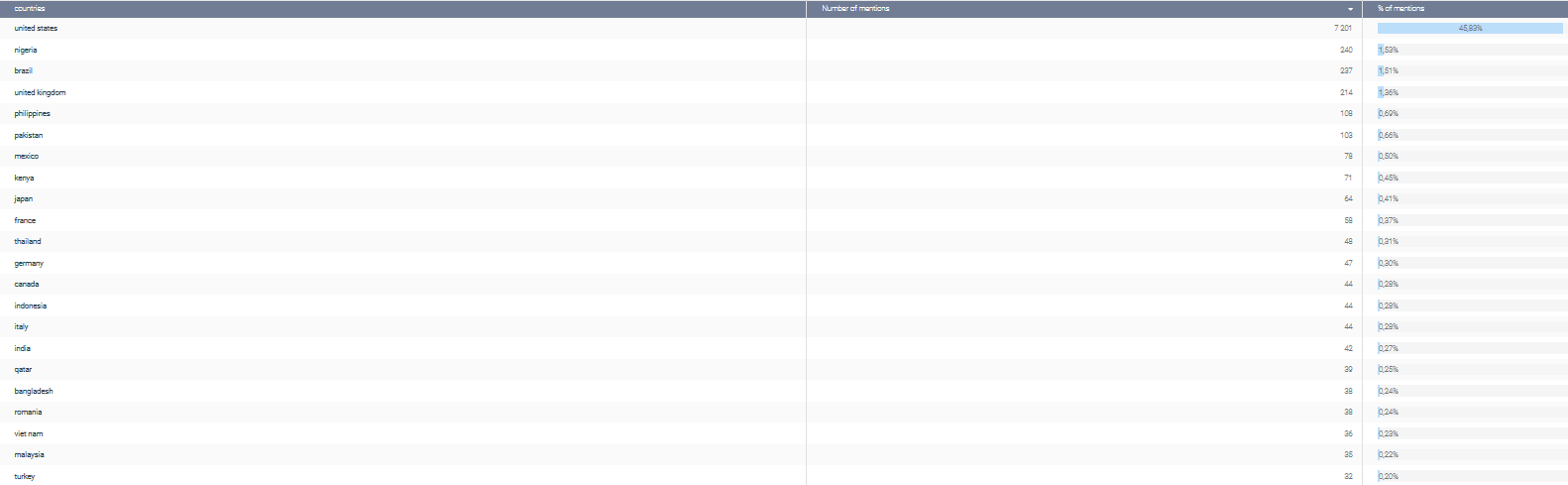
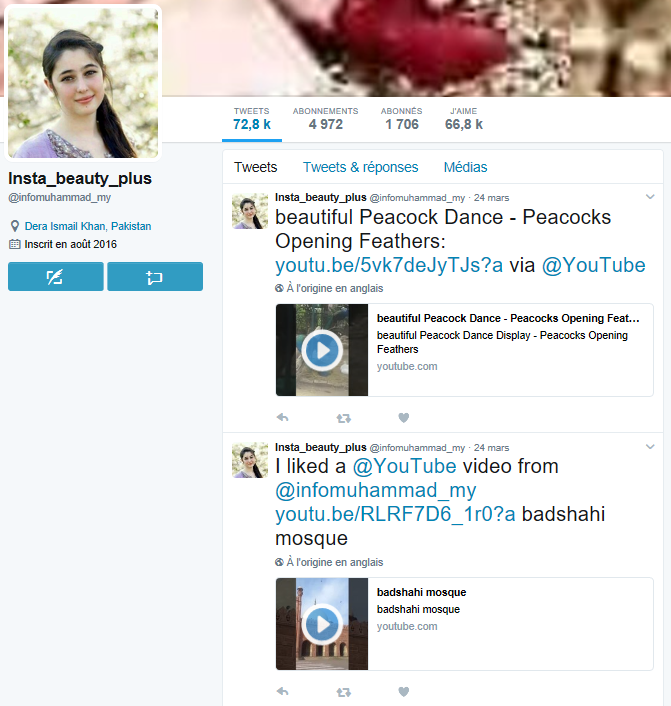
Among them, there were still a few shady accounts such as this one:
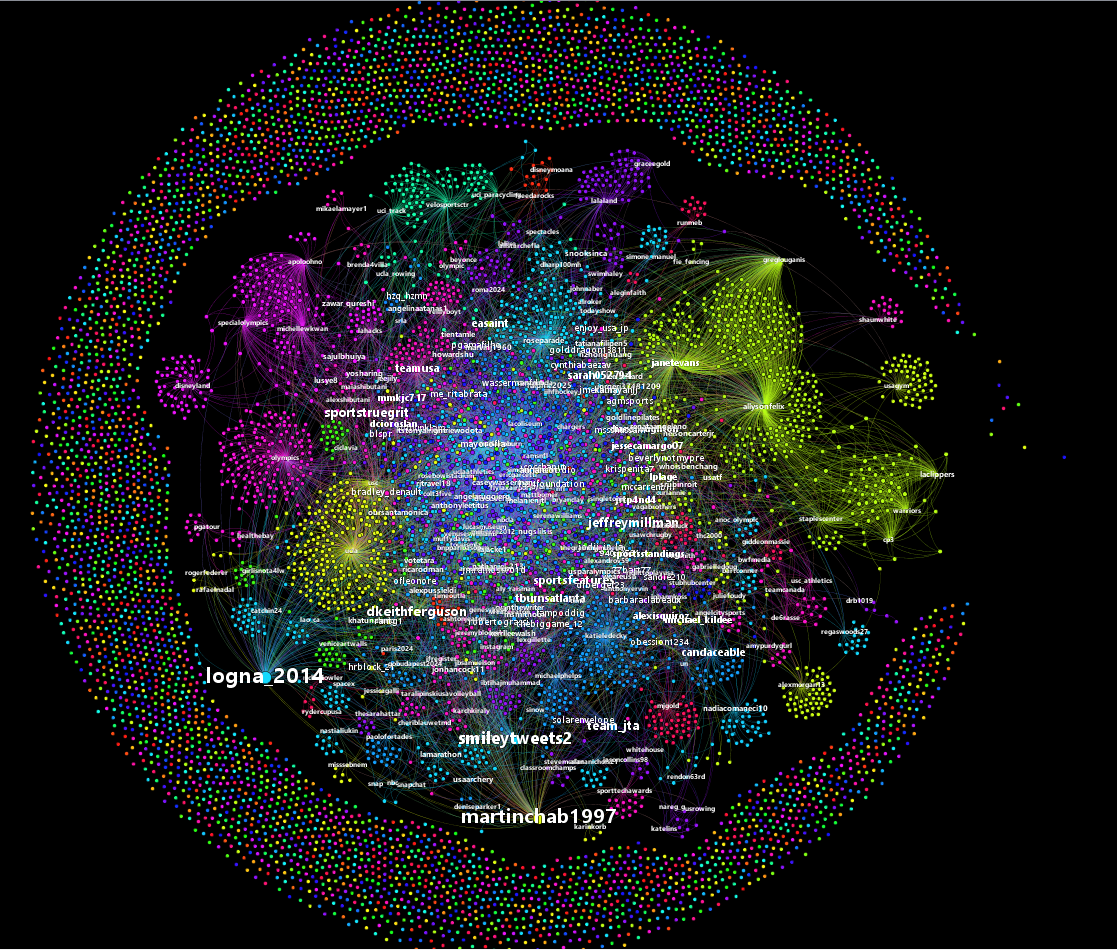
Only, it must be said that overall the supporters look “legit”, as the map of all interactions with the account shows (though this is with the account itself removed, to see the links).
Confirmation on Facebook
On Facebook too, suspicions arise: in just 6 weeks, the Facebook page multiplied its number of fans by 5, from 200,000 followers to 1 million. (Source: Social Bakers)
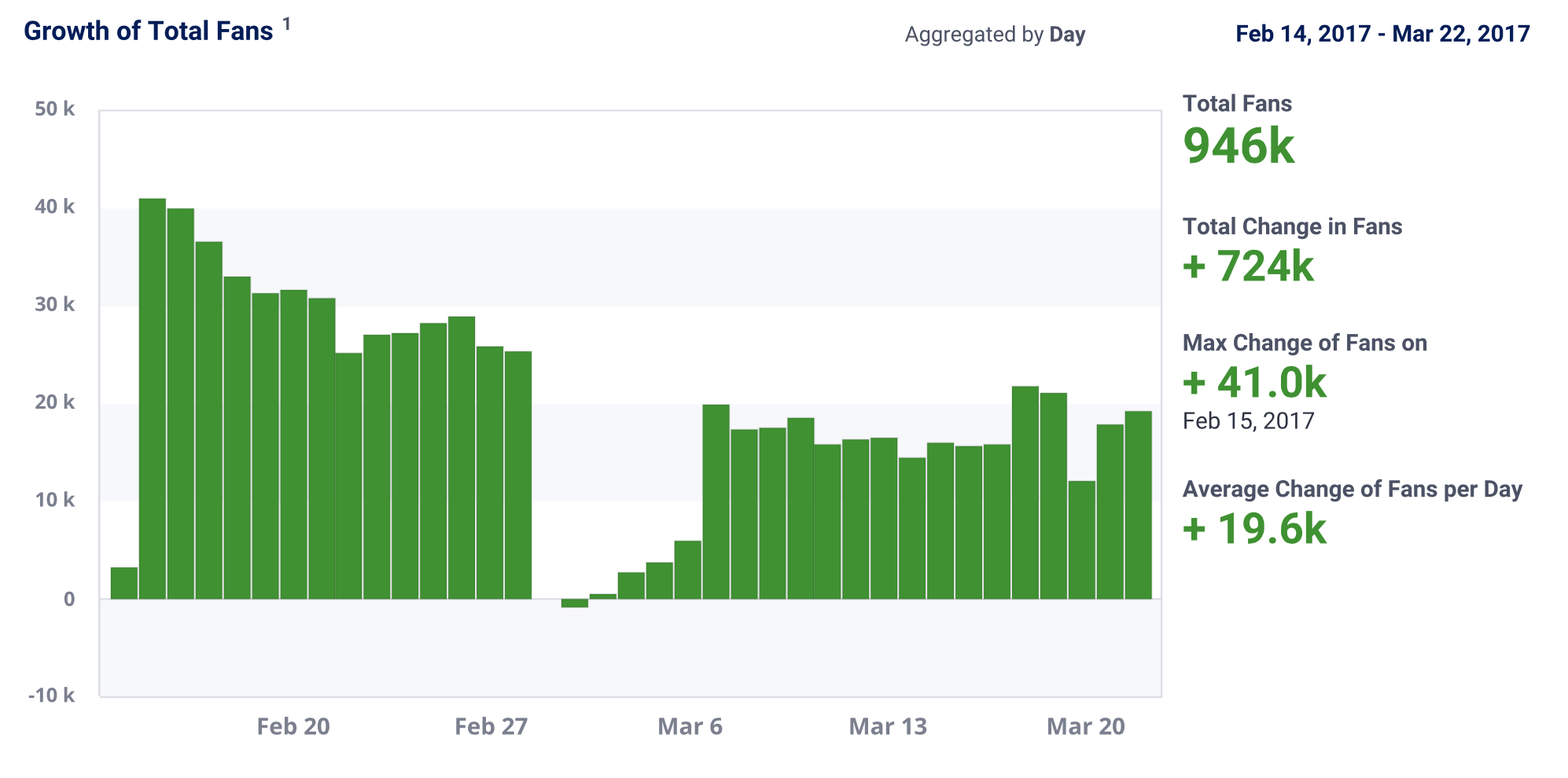
Figures that would make many community managers turn pale, since they would dream of boasting such numbers. And as with Twitter, the countries of origin are quite murky, since the 3 countries where it was a hit are Bangladesh, Pakistan and Nepal.
- Bangladesh: from just 83 fans to 104,165 fans
- Pakistan: from just 56 fans to 92,104 fans.
- Nepal: from just 71 fans to 78,515 fans.
A wave of enthusiasm seems to have swept Asia! To better understand the change that has taken place, here are the top 3 countries for the Facebook page in 2016:

Top 3 countries in March 2017:

You will notice that in 2016, 96% of supporters of the official page were based in the United States. They are now only 25%. Together, Pakistan, Bangladesh and Nepal account for more fans than the USA. All in under 6 weeks. All this strongly suggests an operation to buy followers and fans.
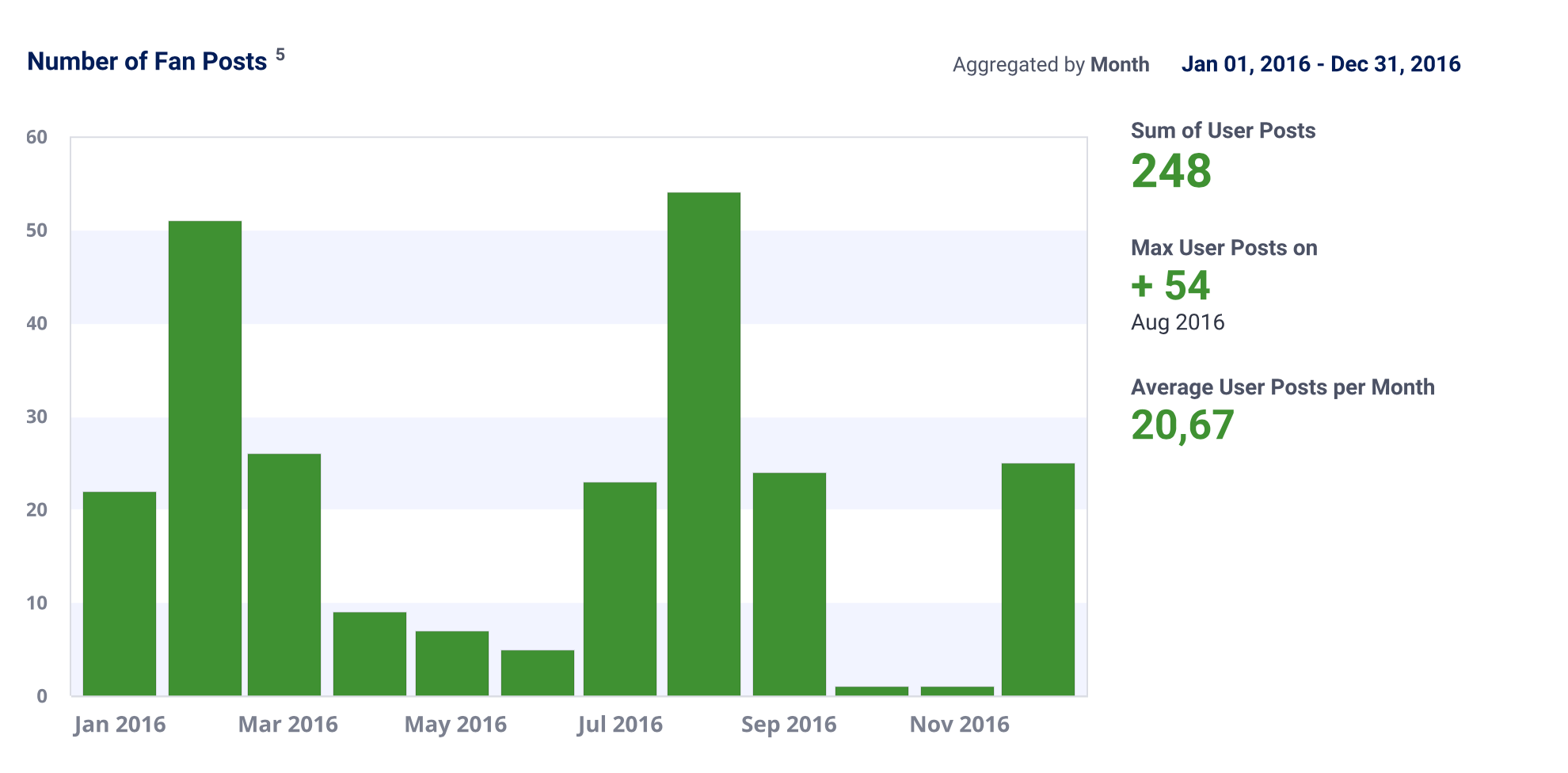
Moreover, patriotic enthusiasm in the US seems to be falling at the same time: in 2016 the average number of new American followers was 16,000. In 2017 it is only 7,252.
As for the engagement figures around the page, nothing suggests that any cheating is going on. Fortunately, since engagement is at rock bottom:
II. An astroturfing operation?
The speed of the increase in fans on both Twitter and Facebook, coming moreover from countries with no connection to the United States, points to a possible astroturfing attempt.
Astroturfing is a communication technique first named by a US senator, Lloyd Bentsen. Its etymology comes from a brand of synthetic grass that imitates natural grass almost perfectly. The senator wanted to contrast genuine citizen social movements, known as “grassroots movements”, with attempts by unscrupulous companies to simulate a citizen groundswell around their cause.
This is not, moreover, the first time this kind of technique has been seen in sports lobbying.
In 2012, to simulate massive support for a bid to host the French Rugby Federation's stadium, the company Havas bought fake fans on the project's page.
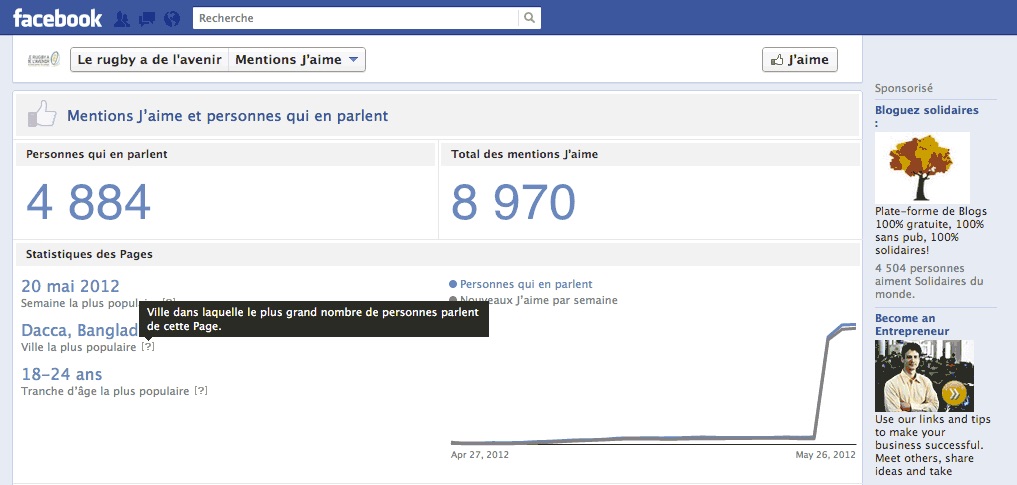
Only, we can see that the city that liked the page most is none other than... Dhaka in Bangladesh.
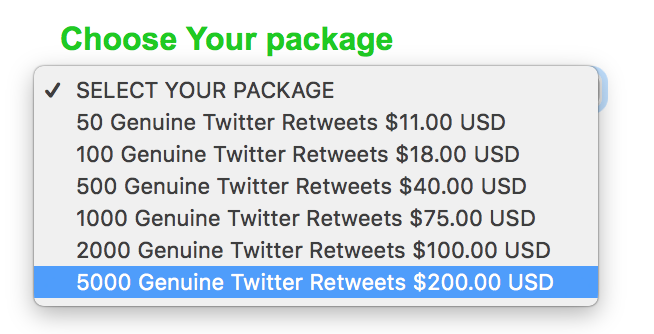
Oh, the same result as here. In reality, they buy their followers through a dedicated platform. These are not bots or the like. Indeed, it has become hard to run an army of bots on Twitter. They are just humans like you and me. They receive a commission in the form of money for every follow they make. In those countries, that sum is quite substantial. This allows suppliers to charge suitable rates, of this order:
III. Conclusion
Given that I find it hard to believe that a purchase of fans or followers on this scale could go unnoticed by the LA2024 committee for a month, all the evidence suggests that it bought fans and followers to look more “digital” and to suggest massive popular support for the city's bid. All this, in order to make the Olympic committee, which will see only figures without understanding how they were built, believe that the Californian bid is stronger locally than Paris's.
It is rather astonishing that anyone can still think in 2017 that none of this catches people's eye, especially as everything is easily identifiable and demonstrable. While lobbying and astroturfing could previously stay hidden, it is reassuring to see that astroturfing on social media leaves traces, and that those traces can be identified. Let us hope that Los Angeles will no longer boast of its digital prowess.