


This Saturday at noon, Heetch launched a “digital demonstration”, pushing the logic of digital labour to its extreme. What was set up? Was it a success? The answer lies in a short analysis showing that today, even with slacktivism, it is hard to mobilise supporters.
I. The set-up
Following a court ruling, Heetch decided to organise a digital demonstration. The landing point is a website called GénérationHeetch.
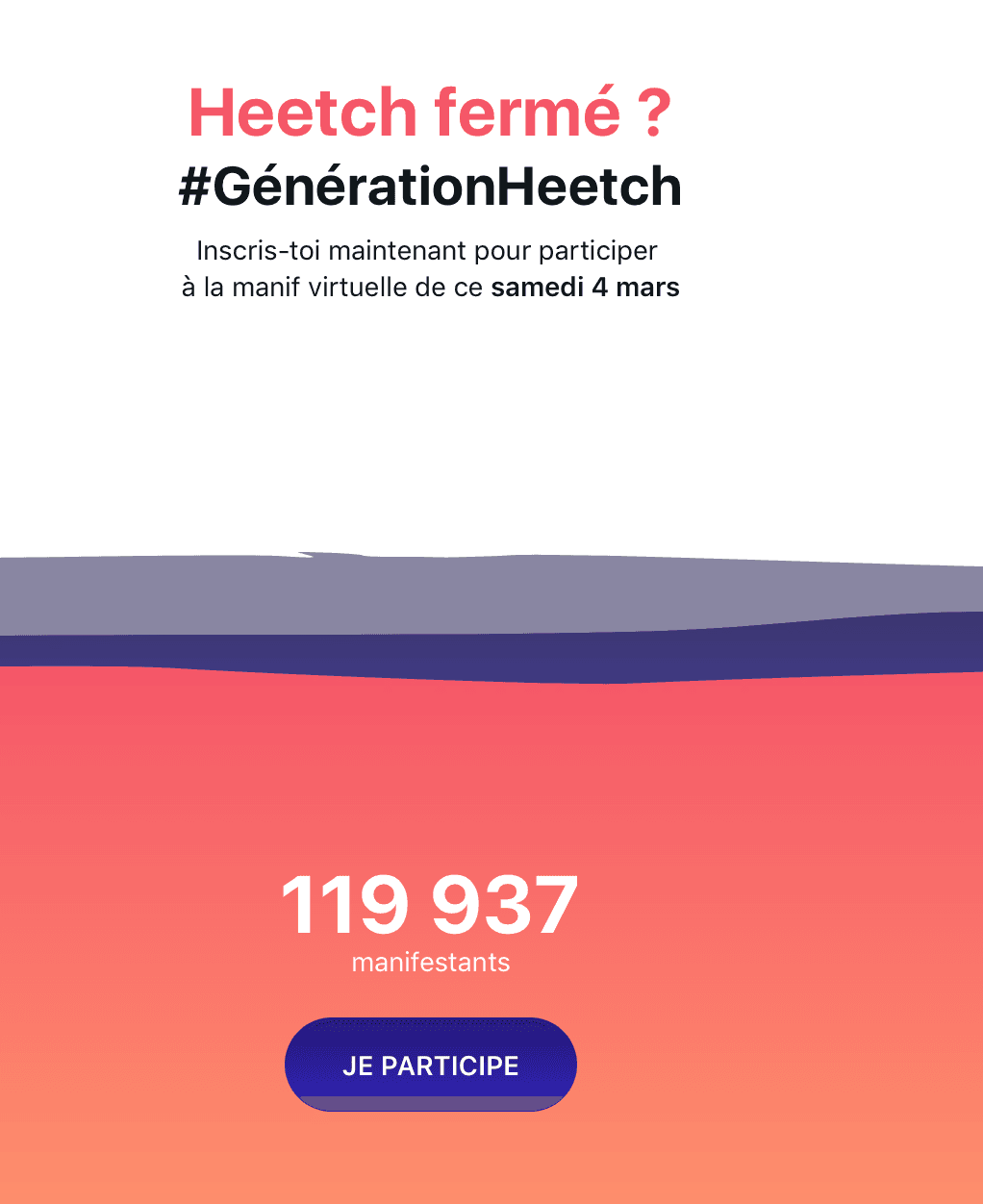
Once you click “I’m taking part”, you can choose your avatar from a wide selection.
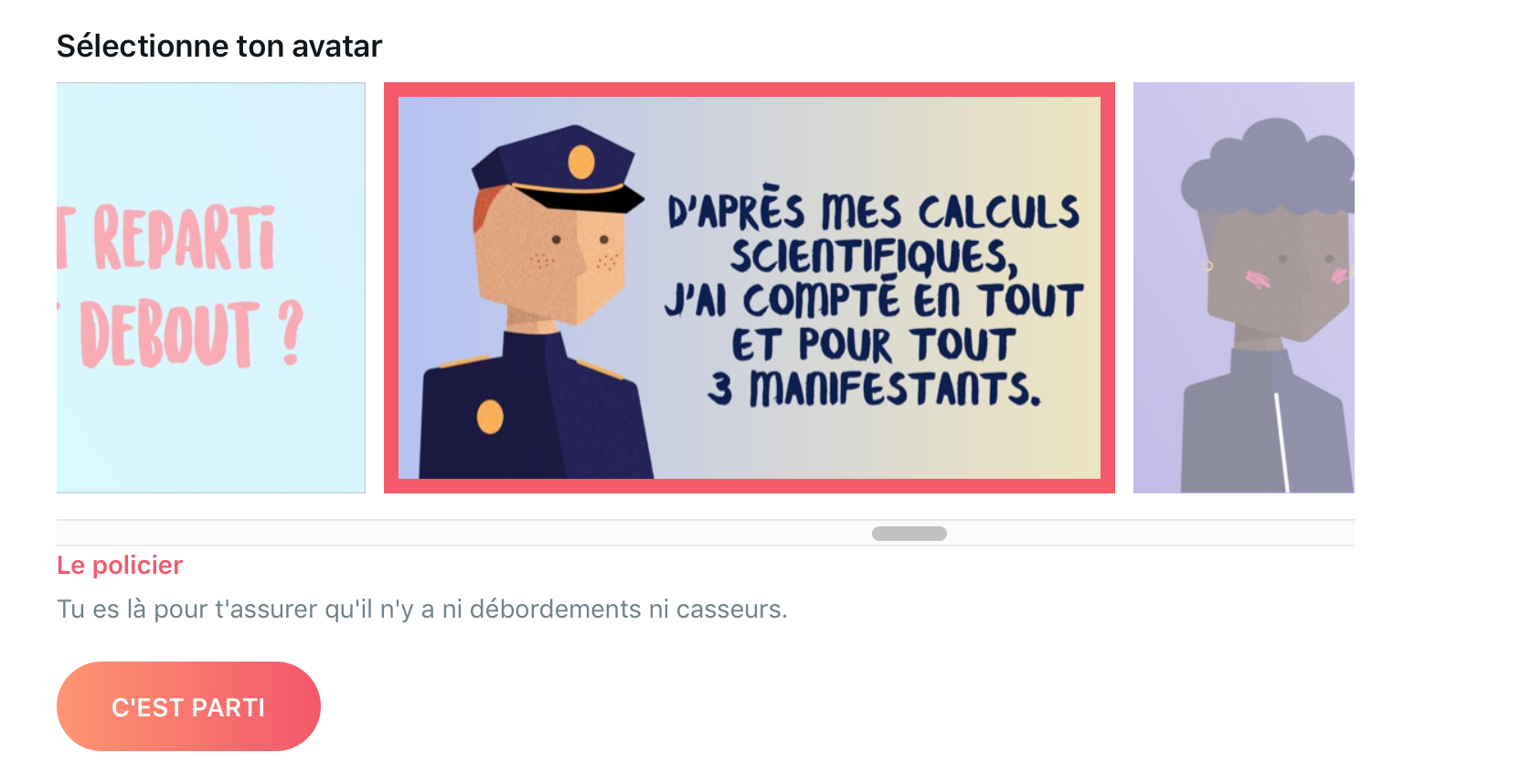
Of course, I took the role of someone who was going to count the demonstrators. I was therefore left with two options: share the status on Twitter, share on Facebook, or choose a politician to send a postcard to.

The politicians are mainly the presidential candidates.

Alongside the website, Heetch also mobilised its supporters on Twitter using the Agora Pulse platform and Zendesk (a customer relations platform), and pushed them to join the movement.
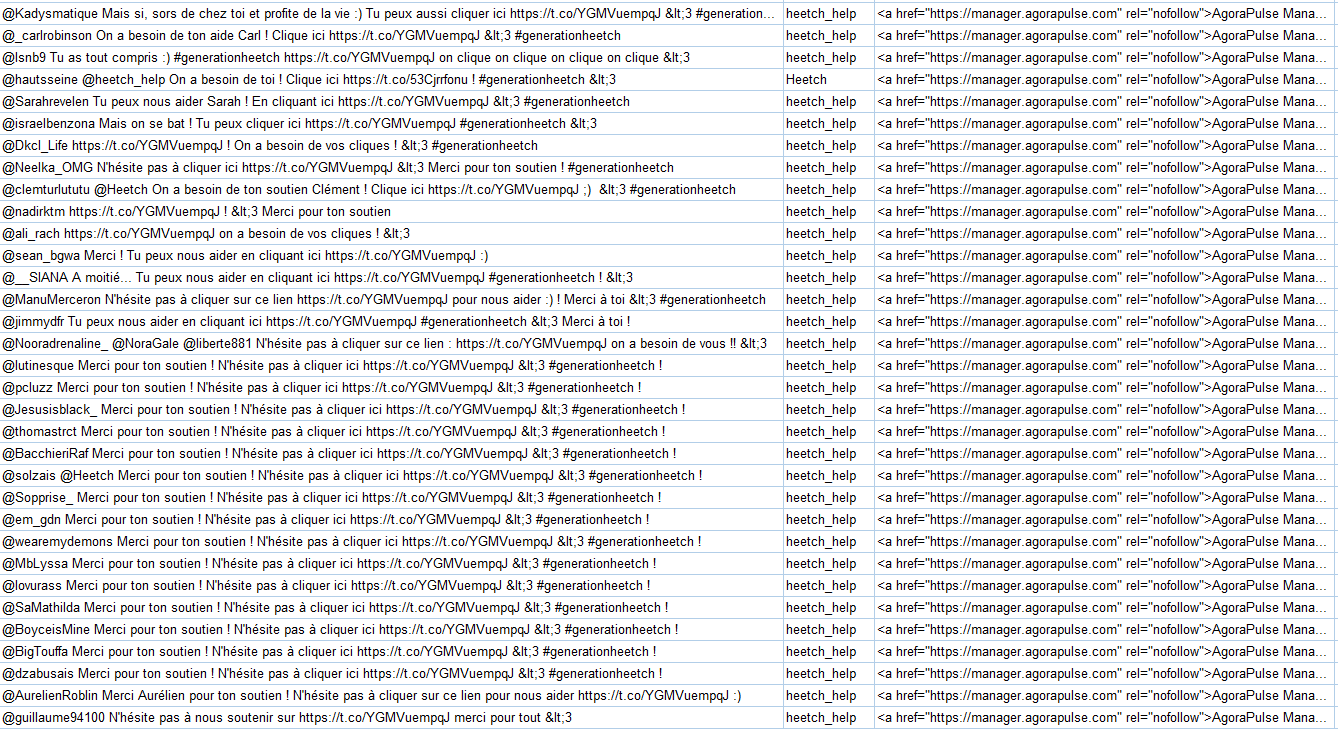
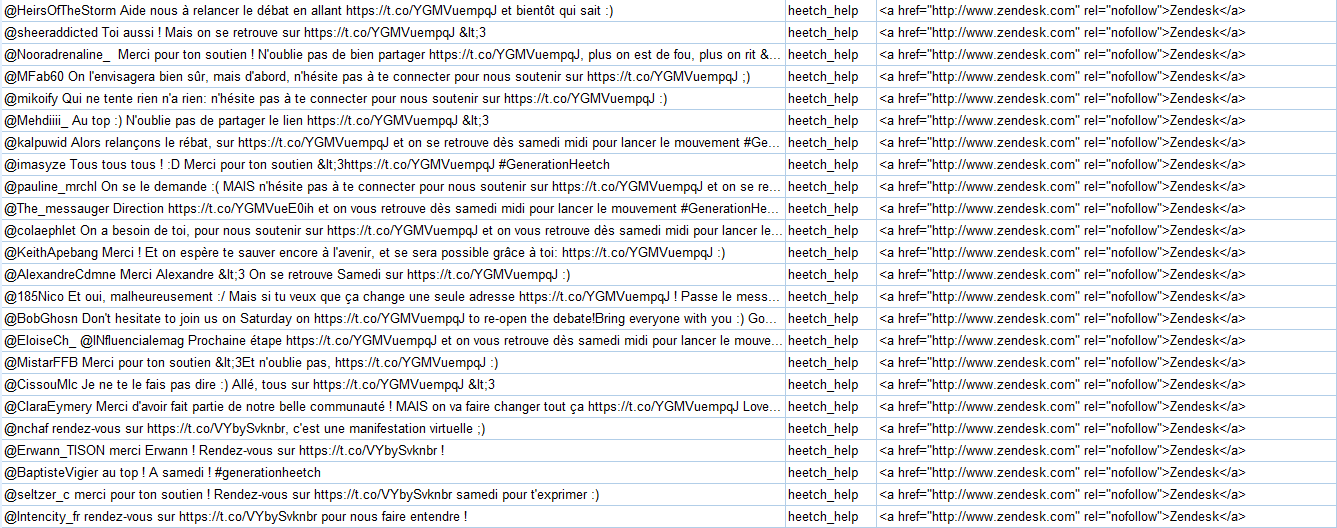
That, then, is the set-up.
II. Analysis
The initiative aroused little enthusiasm, and it is fair to call it a real flop without being harsh.
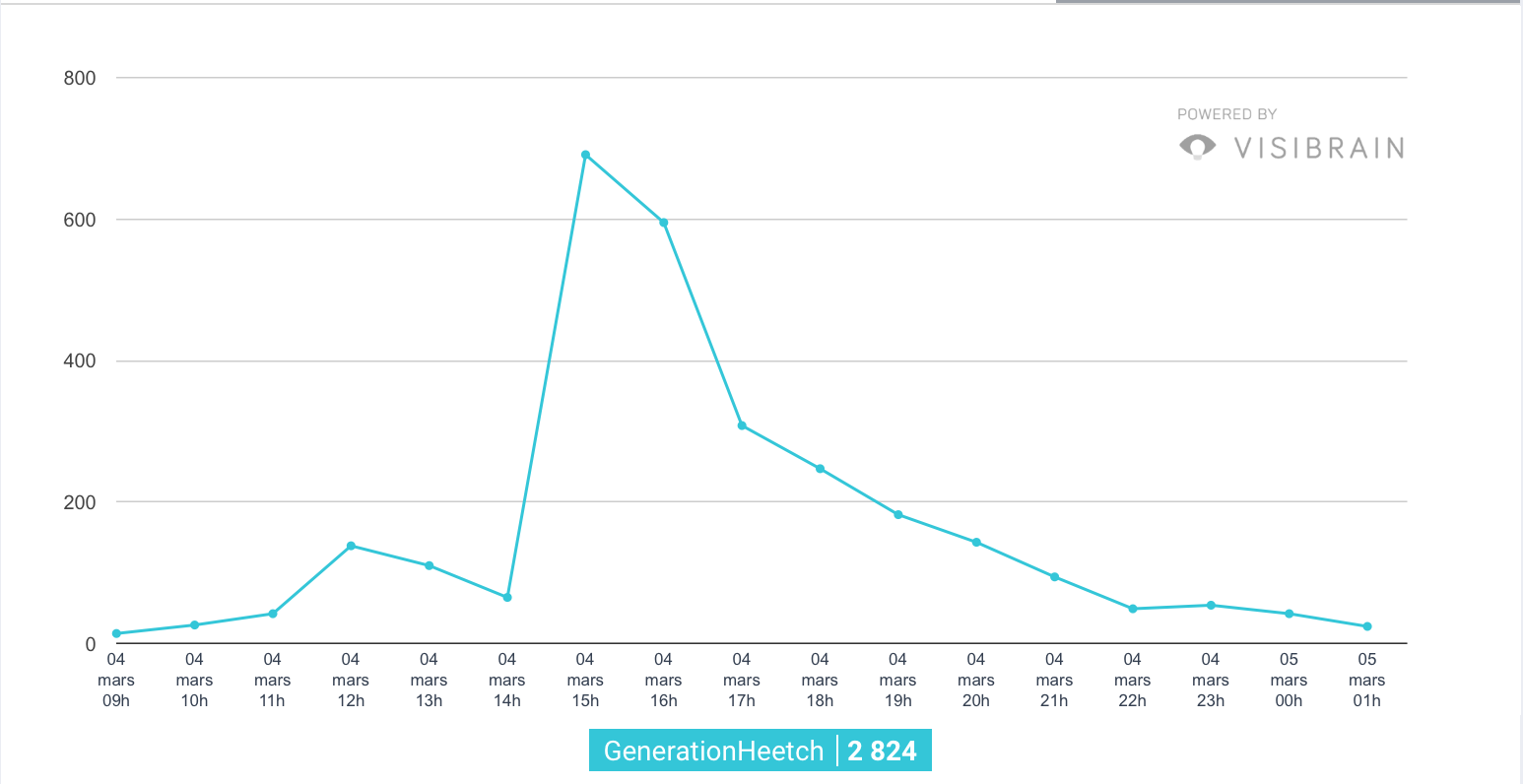
In terms of numbers of people too, the operation fell far short of the heights. Over the last 9 days it reached only 1,700 people, which looks low. We also note Heetch's manoeuvres with its customers. While the language was built around the Heetch movement and appealed to its community, the community aspect can hardly be called rich.
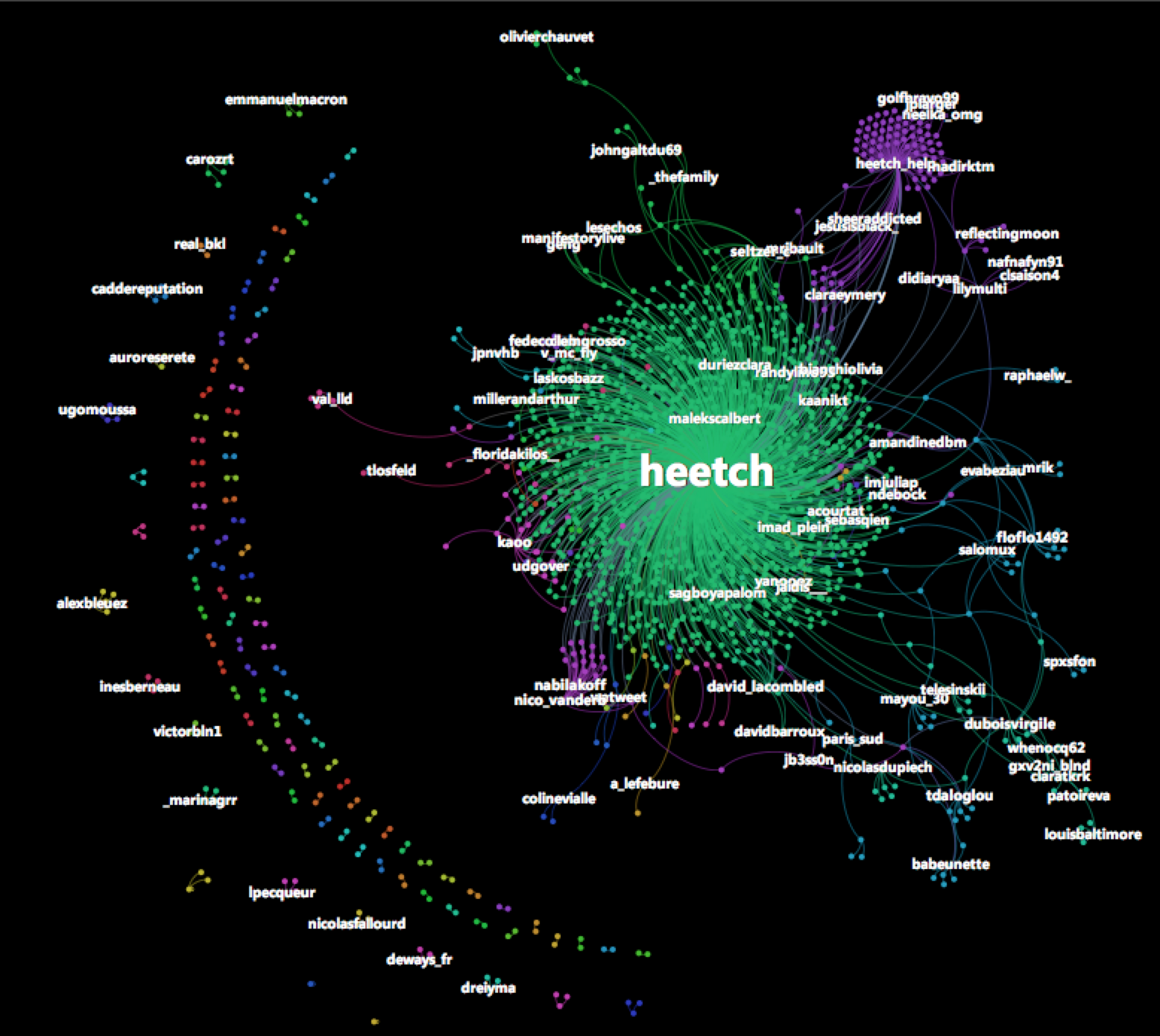
There were also accusations of botting, which are unjustified. There is one person, SiwiOnline, who has accounts that he activates with each of his tweets via the Tweetdeck software. There are also a few uses of IFTTT. But overall, only 4.4% of the 2,824 tweets were fake, which is not huge.
III. Conclusions
In short, I do not have the figures for Facebook, but on Twitter there was clearly room to do better. So what explains the lack of success?
- An ill-suited message
Let us return to what was shared: a simple tweet asking people to join the movement.

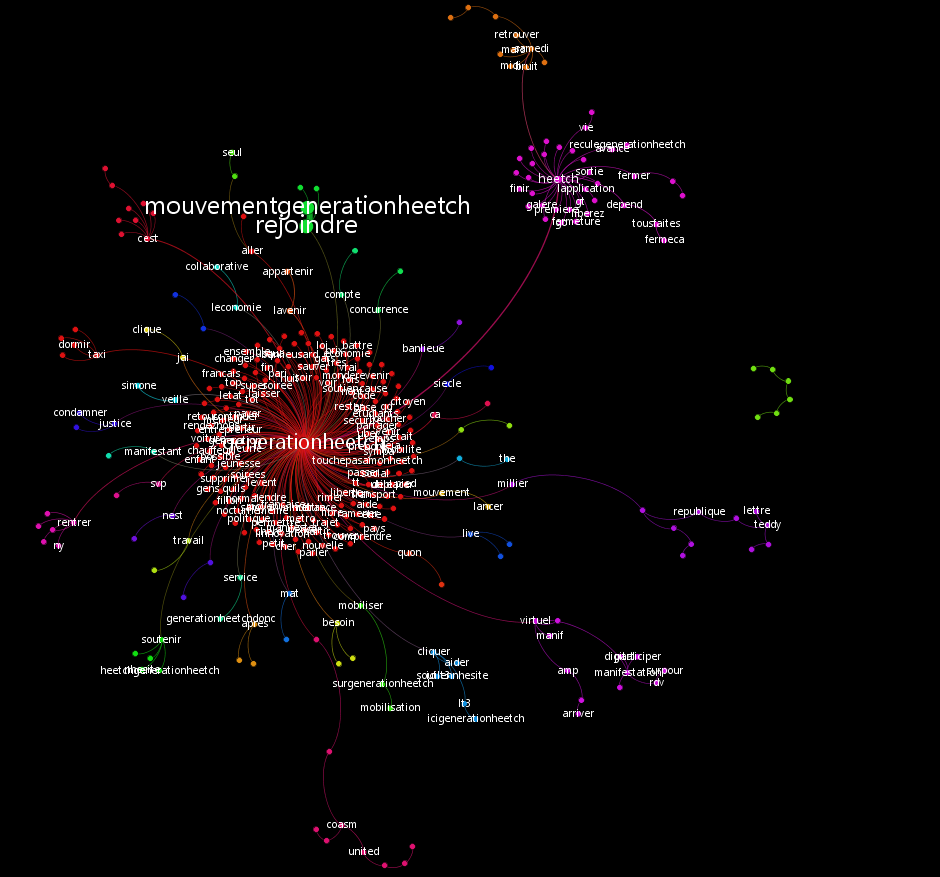
The message feels thin. All the more so because it is hard to make it one's own. While the illustrations were more or less customisable, having a single tweet with no lobbying argument is rather light. Even small citizen movements or NGOs provide more than 200 ready-to-send tweets in the case of a tweet storm.
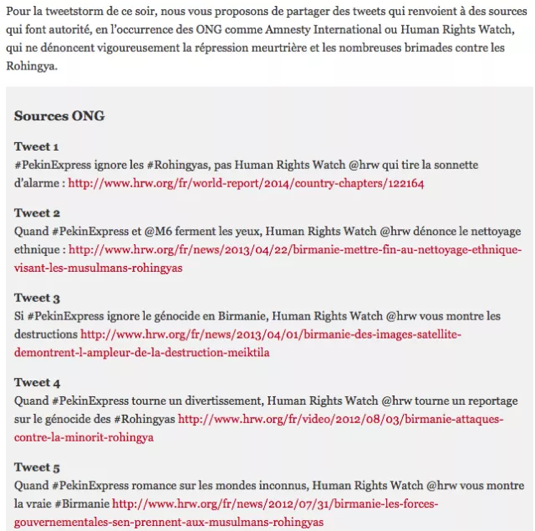
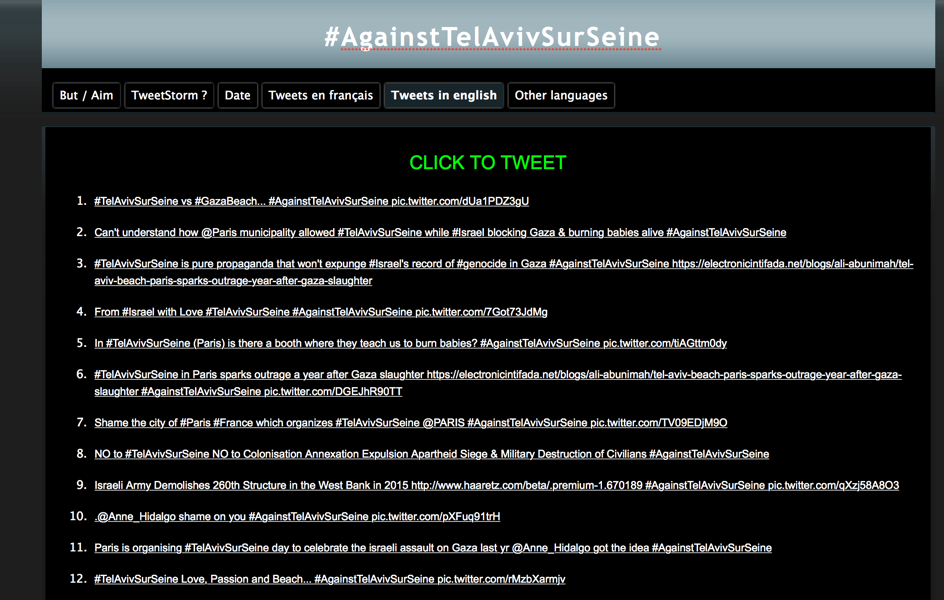
This results in a fairly marked poverty of vocabulary:
- Vague objectives
Behind this digital demonstration lies the idea of making noise. But what is this slacktivism for? The objectives are very vague. Even in a physical demonstration, the aim is to attract attention or to march right where the decision-maker is. Here, the target is barely known. There seems to be an underlying ideology that making noise on Twitter is enough to reach decision-makers and carry weight. It would have been better to target politicians clearly and specifically.
- Haste
The operation seems more or less rushed. It would have been better to wait and prepare the whole strategy. Behind the initial idea, the detail lacks precision.
This case does, however, illustrate the growing trend of digital mobilisations aimed at influencing decisions. Is this a new form of activism? Are these click workers? Is it influence communications or astroturfing? These are questions that will arise in all future cases, and answers will need to be found.