


As for social media crises, we now have a fully stabilised phenomenon for which the number of cases is stable, even declining, and the typology of crises is also well known, but it was high time to define the potential risks for organisations. There are 65 of them, covered by 5 main sections.
Typologies of crises
After going through the various crisis typologies, I set about creating my own typology of crises.
As a reminder, we had the following table:
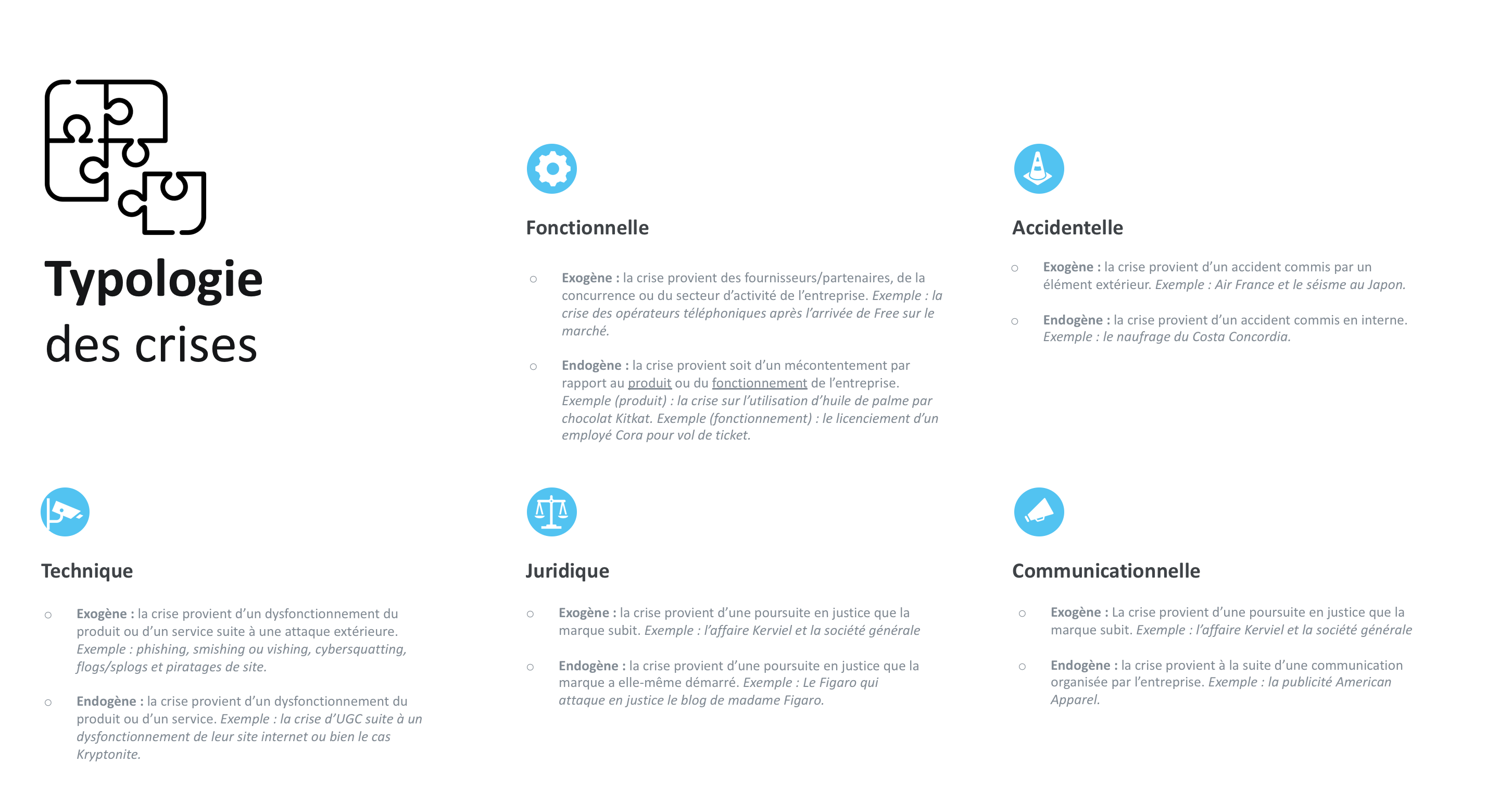
If we took most of the typologies, we could obtain the following types of crisis.
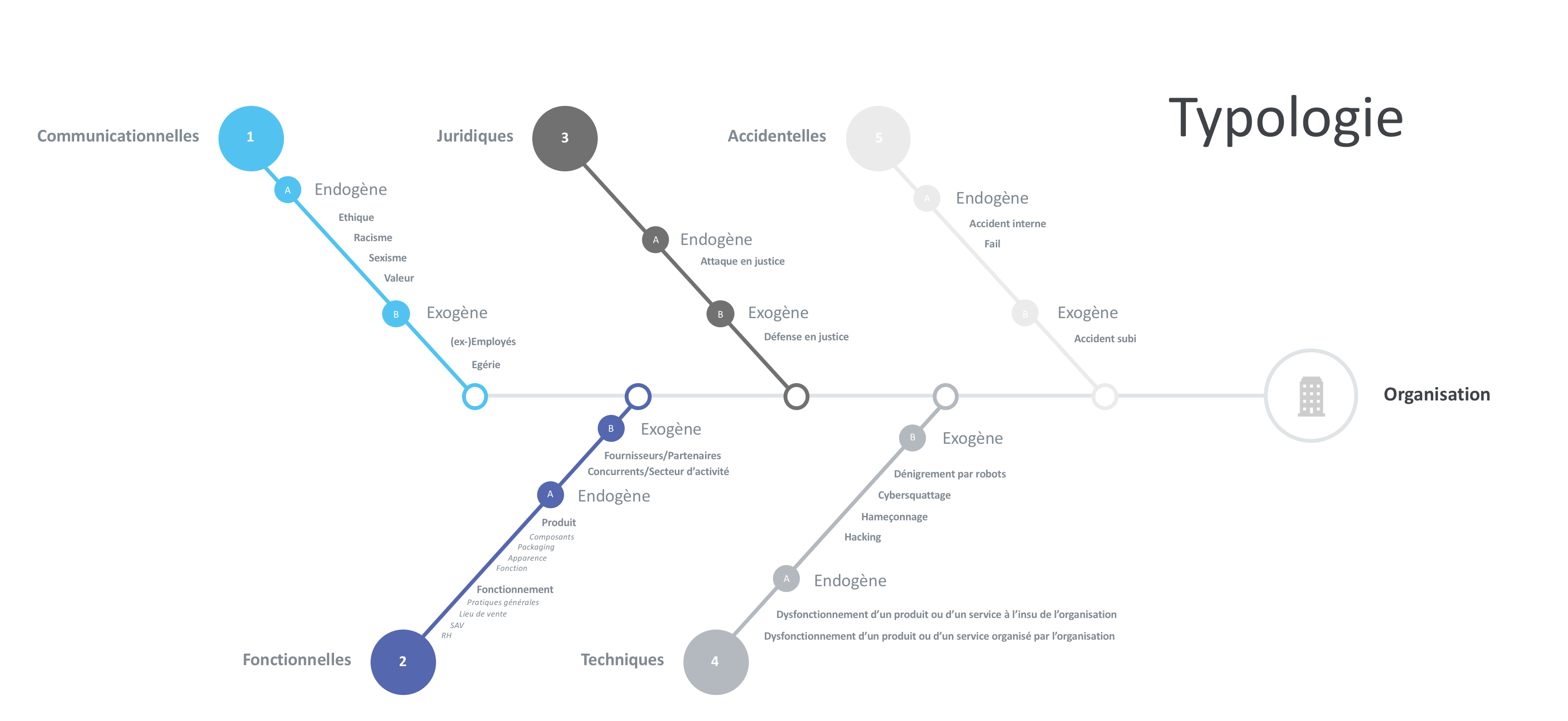
Towards a typology of risks
However, this typology is good for “classifying” tweets and has an ontological value for that purpose. But it is not much use when you want to make it operational.
That is why I thought it useful to develop a second type of typology, a typology of possible risks and narratives.
1. Communications
The first major block is of course communications, which is by far the most important block.
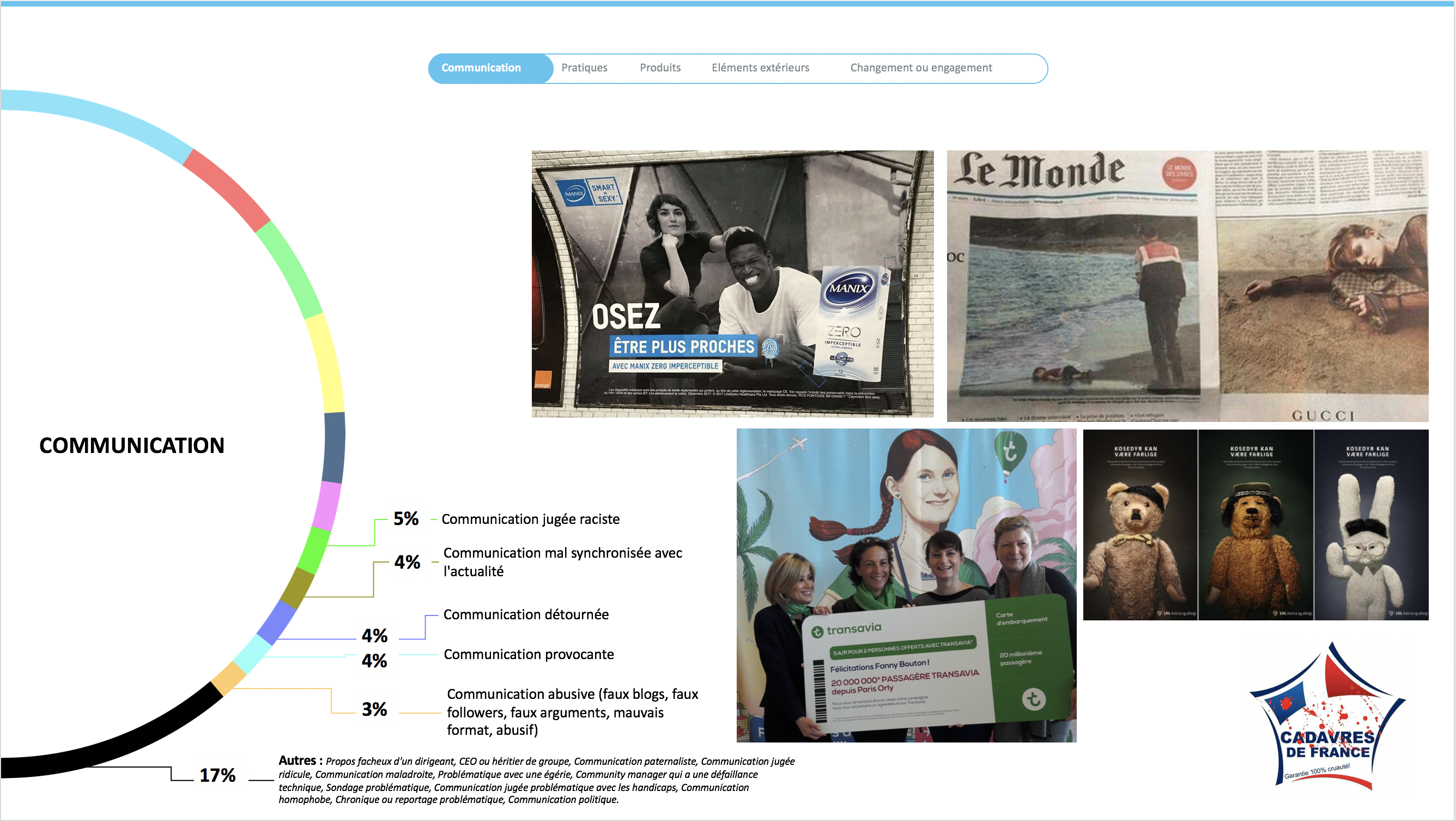
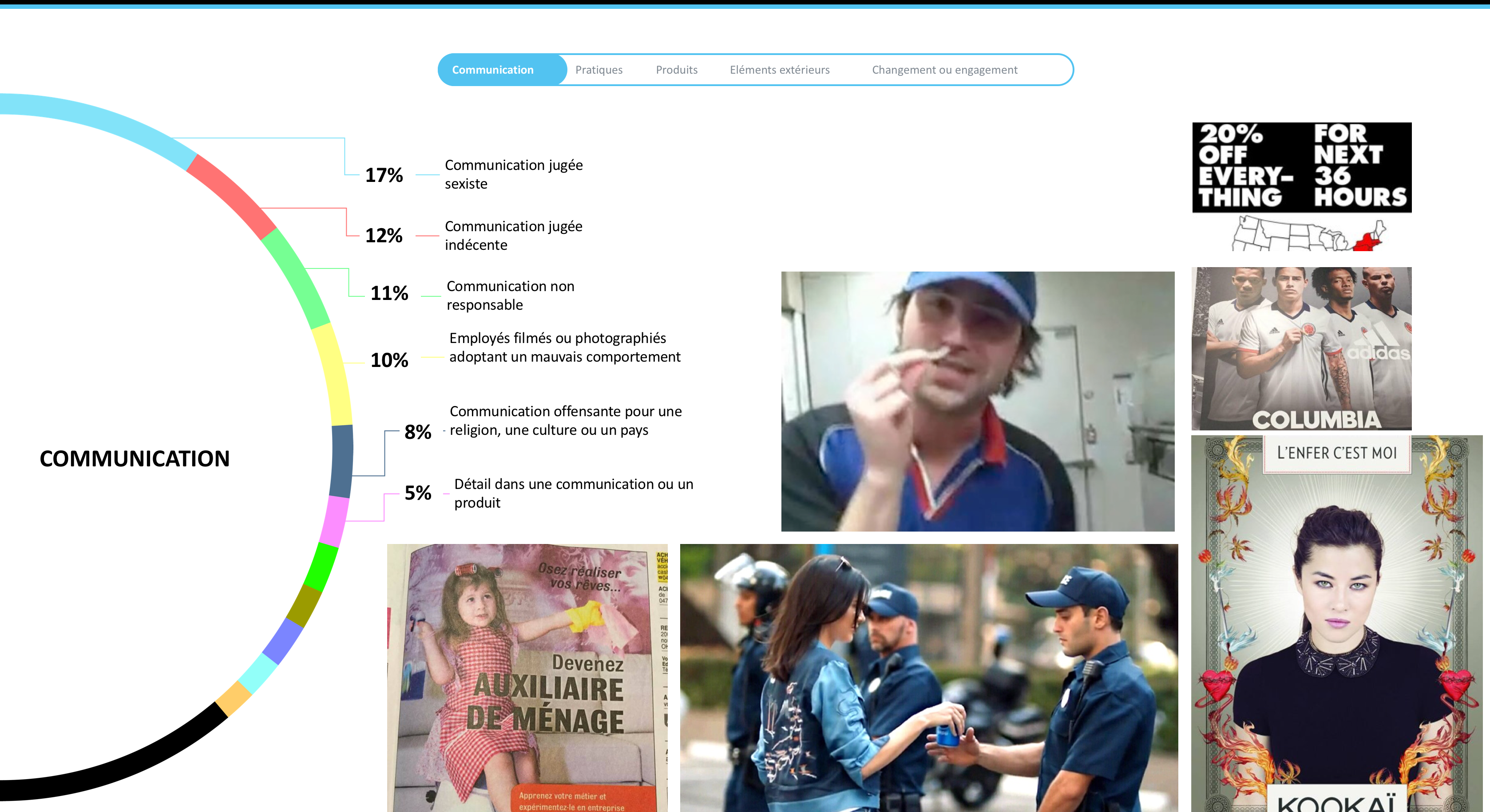
The first case is that of advertising judged sexist , for example FOREM, which published an advertising campaign that set Belgian social media alight.

The poster played heavily on stereotypes, particularly in the illustrations for the opposite sex. Even though the social media angle was the one that illustrated the articles on the subject, the number of tweets remained fairly modest and was concentrated around the media.
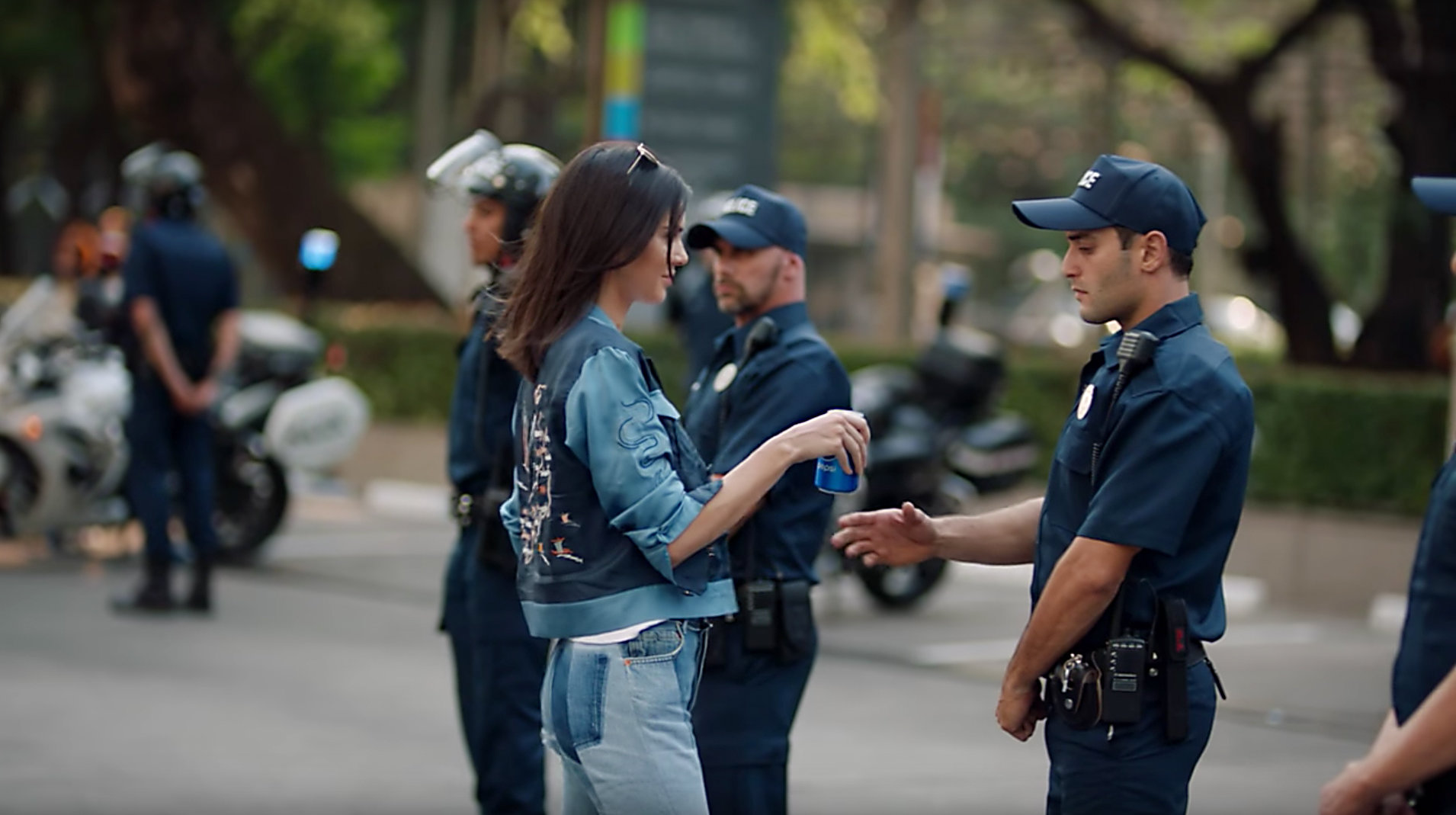
Indecent communications are those considered indecent. This was the case with Pepsi, which ran a campaign in which a white model, Kendall Jenner, tries to end violent riots with a can of Pepsi. Against a backdrop of police violence, and echoing an image that had resonated widely (the Baton Rouge protest in 2016), the message was extremely badly received and triggered a wave of tweets against Pepsi.
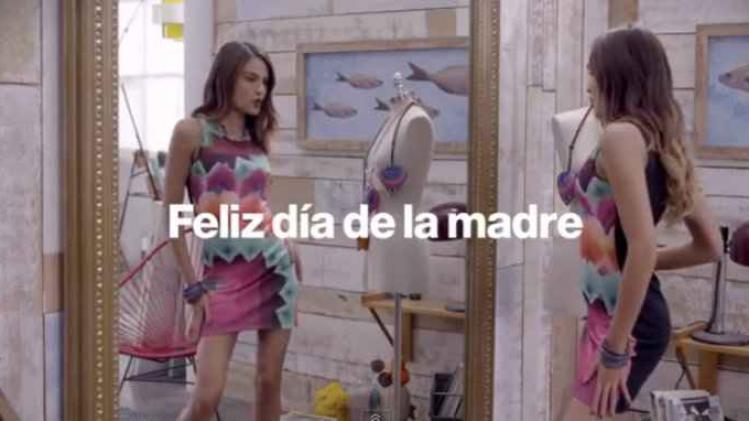
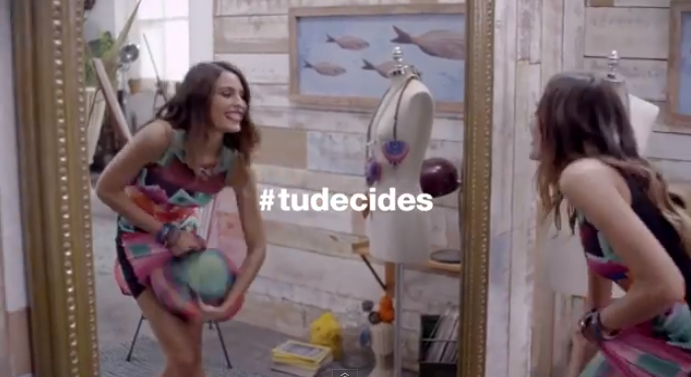
Irresponsible communications. For Mother's Day, the brand Desigual made a video clip in Spain in which a model for the brand faked a pregnant belly with a cushion before piercing condoms. The ad ended with “Happy Mother's Day”. Or Poweo, which used Chabal in a cartoon in which he put his fingers into an electrical socket.

Employees filmed or photographed behaving badly. In 2019, two Domino's Pizza employees filmed themselves putting bogeys on various foods and uploaded the video to YouTube. The reactions were immediate. The brand reacted on Twitter and gave a response through its CEO.

Communications offensive to a religion, a culture or a country. In 2016, Adidas made one of the biggest blunders of the year by failing to spell Colombia correctly in one of its advertisements. Instead of Colombia, it wrote Columbia.
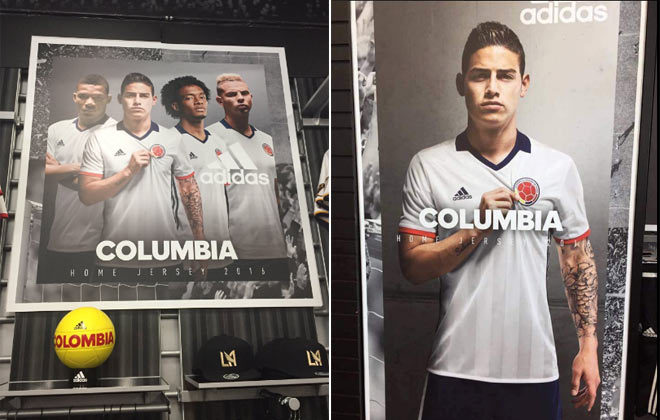
Quickly attacked on social media, Adidas responded:
“We value our partnership with the Colombian Football Federation and apologise for our mistake. We have withdrawn these visuals and will very soon put up new posters”.
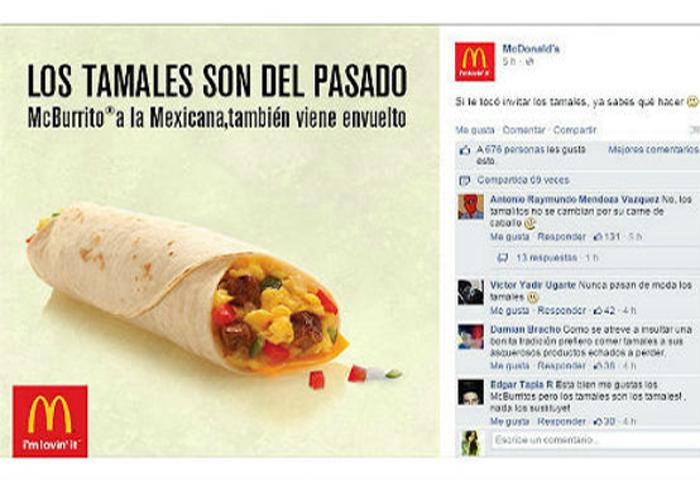
The same scenario for McDonald's, which committed an enormous blunder in Mexico. The cause: the American brand attacked a national monument, tamales, by saying “they belonged to the past”. Mexican internet users did not like it at all and the brand had to apologise.
The detail in a communication. As was the case for Kookai, which had decided to build a campaign around the theme of hell. To do so, it launched a campaign using Catholic signs, one of which, the Sacred Heart of Jesus (a heart surrounded by thorns) symbolising the love of Jesus, caused a scandal among Catholics.

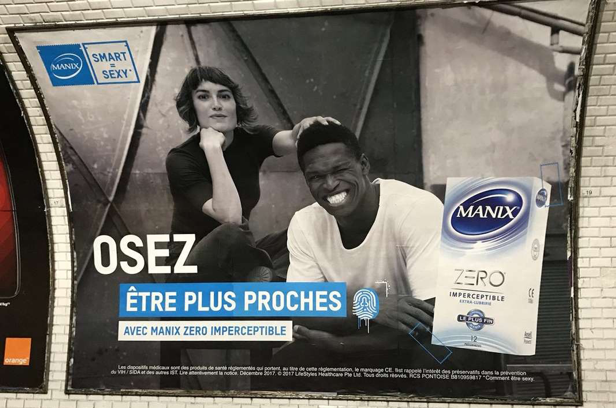
Communications judged racist. In the Paris metro, Manix ran an advertisement featuring a white woman with a black man.
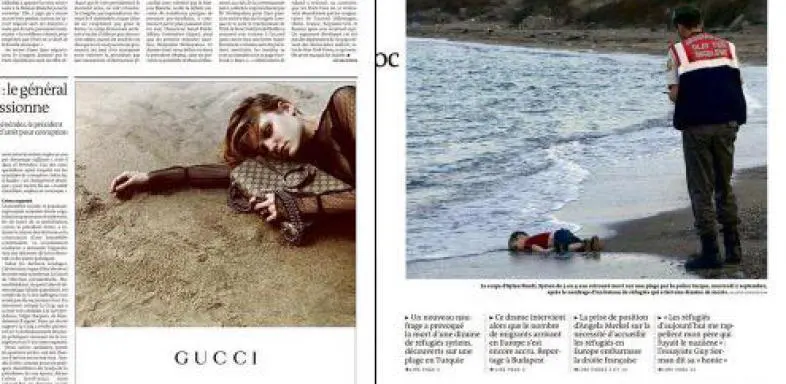
Communications out of step with the news. An unfortunate coincidence put Gucci in turmoil. Just as Le Monde published the photograph of little Aylan, the Syrian refugee child who died on the beach, there was, not far from it, a Gucci advertisement that also used a beach.
It was Le Monde that found itself very embarrassed by this collision, which the Gucci brand had not intended.
The other cases are: Abusive communications (fake blogs, fake followers, fake arguments, poor or abusive format) – Hijacked communications – Provocative communications – Unfortunate remarks by an executive, CEO or group heir – Paternalistic communications – Communications judged ridiculous – Clumsy communications – Problems with a brand ambassador – Community manager with a technical failure – Problematic poll – Communications judged problematic regarding disabilities – Homophobic communications – Problematic column or report – Political communications.
2. Practices
The second major block is that of organisational practices that raise questions.
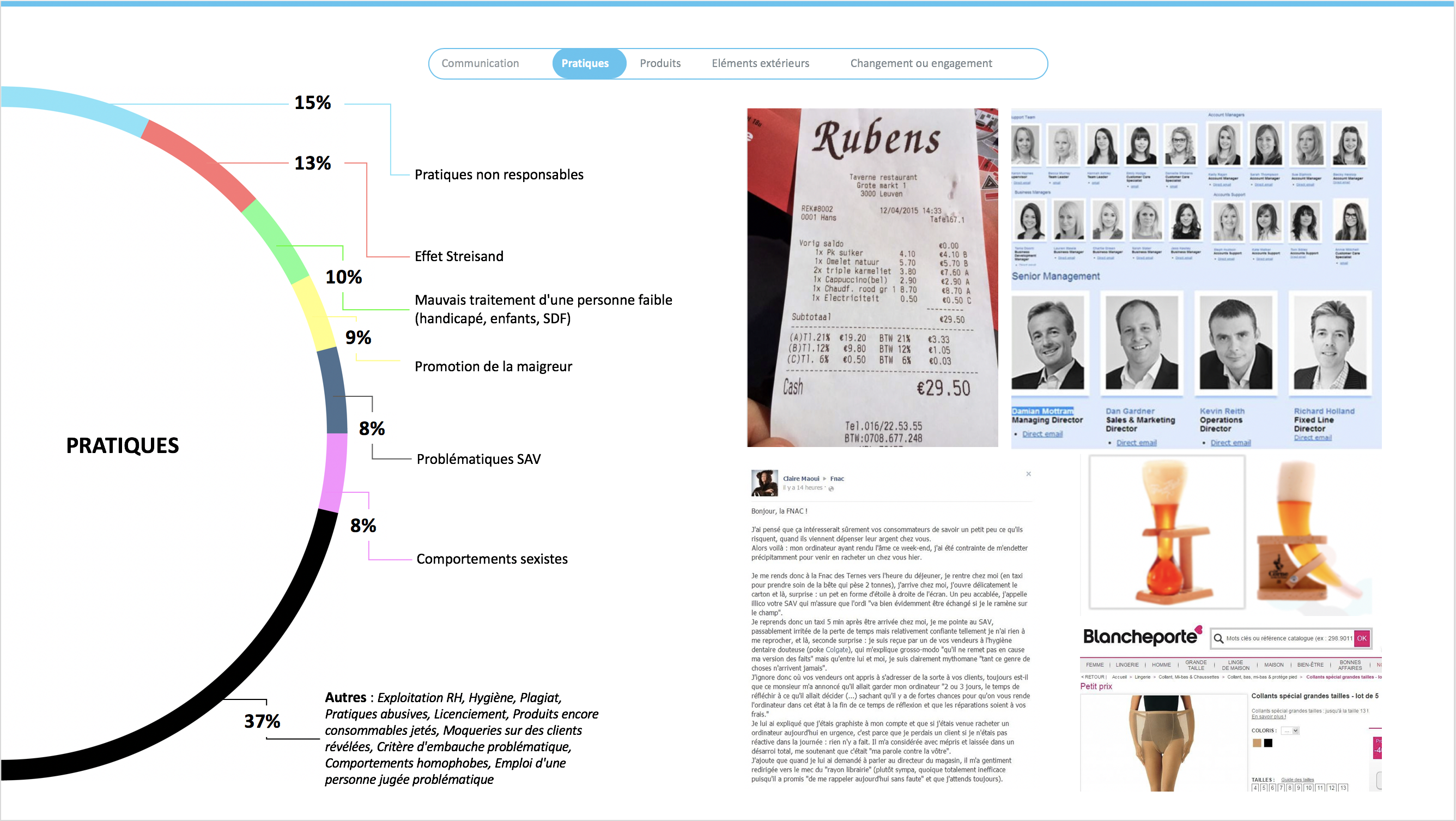
The most common case is irresponsible practices. A café in Leuven became the subject of controversy after a tweet from one of its customers, showing a menu item “bottle warming”, was made public.
The practice was sharply criticised on Twitter and the echo reached most of the media.
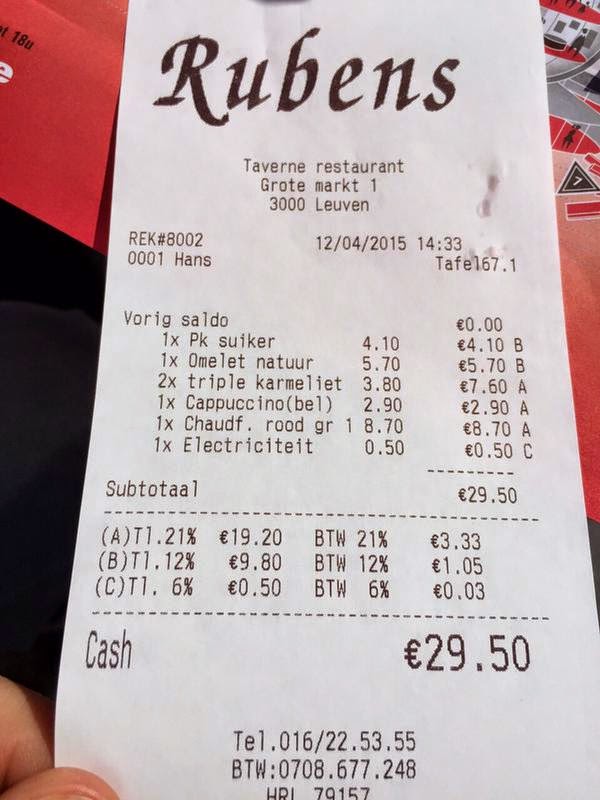
The Streisand effect. The Streisand effect is a media phenomenon in which the attempt to prevent the disclosure of information one would like to keep hidden – whether mere rumours or verified facts – triggers the opposite result.
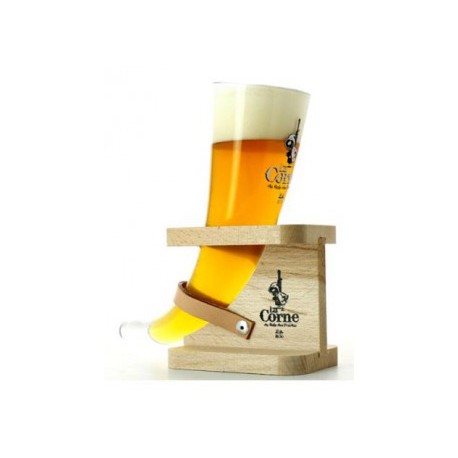
The beer brand “Kwak” sued the Walloon beer “Corne du bois des pendus”, complaining of similarities in the design of the glasses. The owners of the Walloon beer then turned to the media to appeal for donations, as they could no longer cover the legal costs. As the similarities were not obvious, a bad buzz began, with very negative comments posted on the brand's Facebook page.

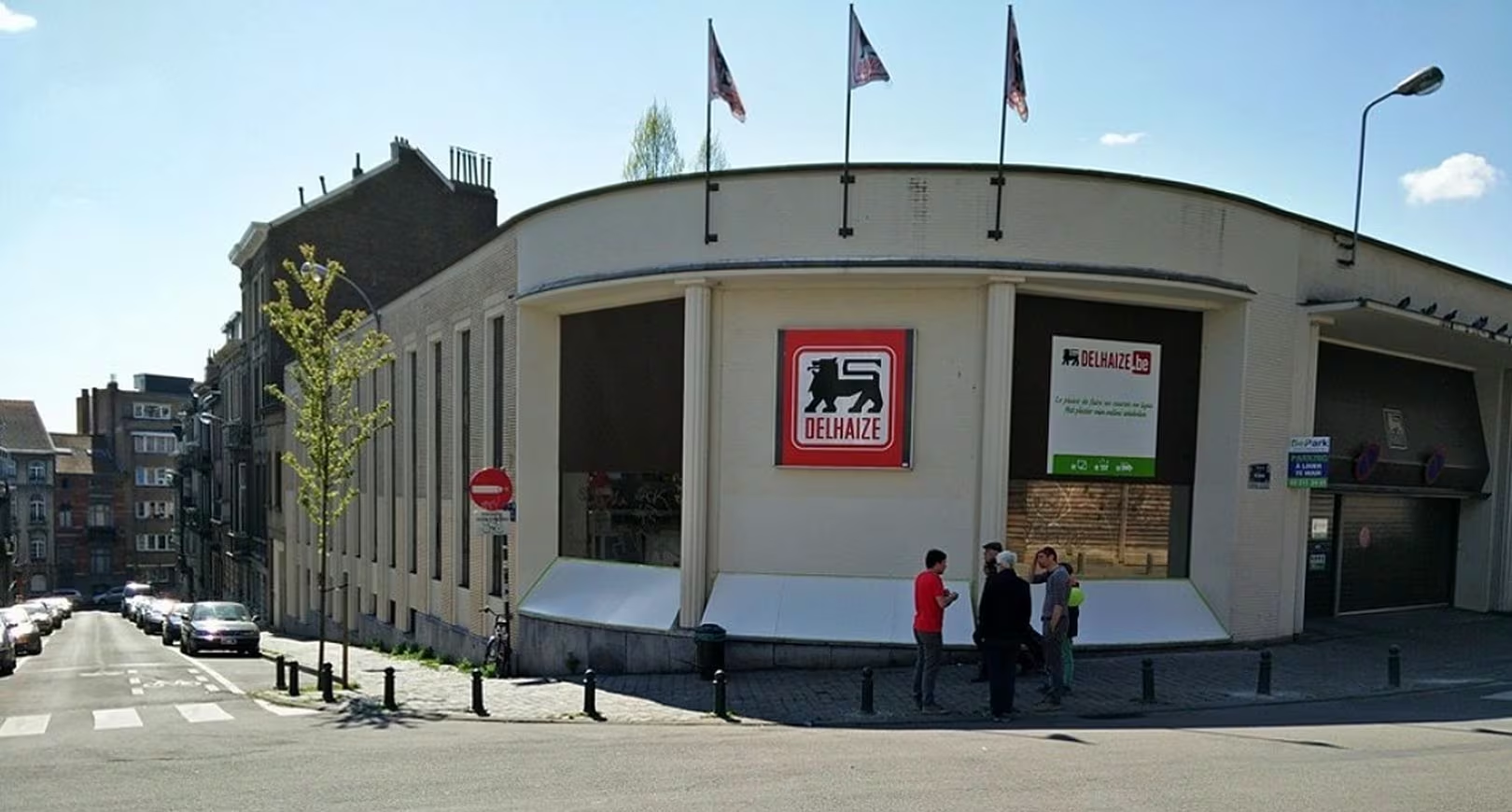
Mistreatment of a vulnerable person. The typical case of mistreating homeless or disabled people, or others. For example, when the Belgian supermarket brand Delhaize installed an anti-homeless device.
Promoting thinness. Several people on Twitter posted a photograph of a model for the lingerie retailer La Perla in New York, judged far too thin. The matter was quickly picked up by several media outlets, which pushed the brand to have the mannequins removed from all its stores.
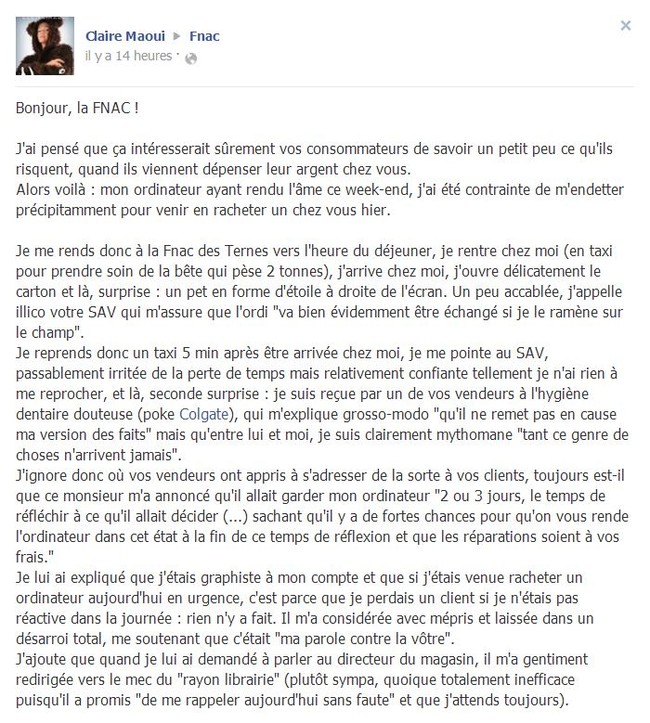
After-sales problem. A consumer complained about FNAC's after-sales service through this post.
Very quickly and oddly, visibility spread almost everywhere, and it circulated very well on the internet and gathered a fairly substantial number of likes (+15,000 likes).
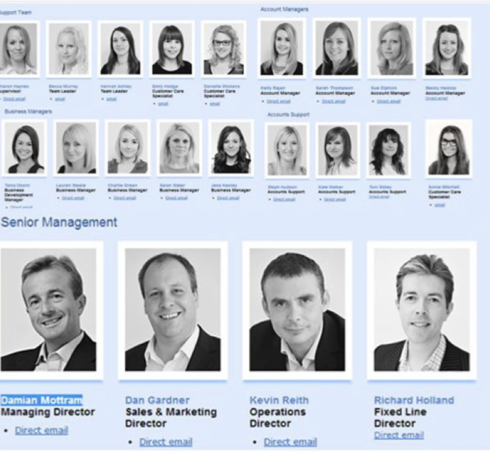
Sexist behaviour. Like this company, which introduced us to the notion of the glass ceiling for organisations.
The other cases are: HR exploitation – Hygiene – Plagiarism – Abusive practices – Dismissal – Still-edible products thrown away – Mockery of customers revealed – Problematic hiring criterion – Homophobic behaviour – Employment of a person judged problematic.
3. Products
The third block concerns product-related issues.
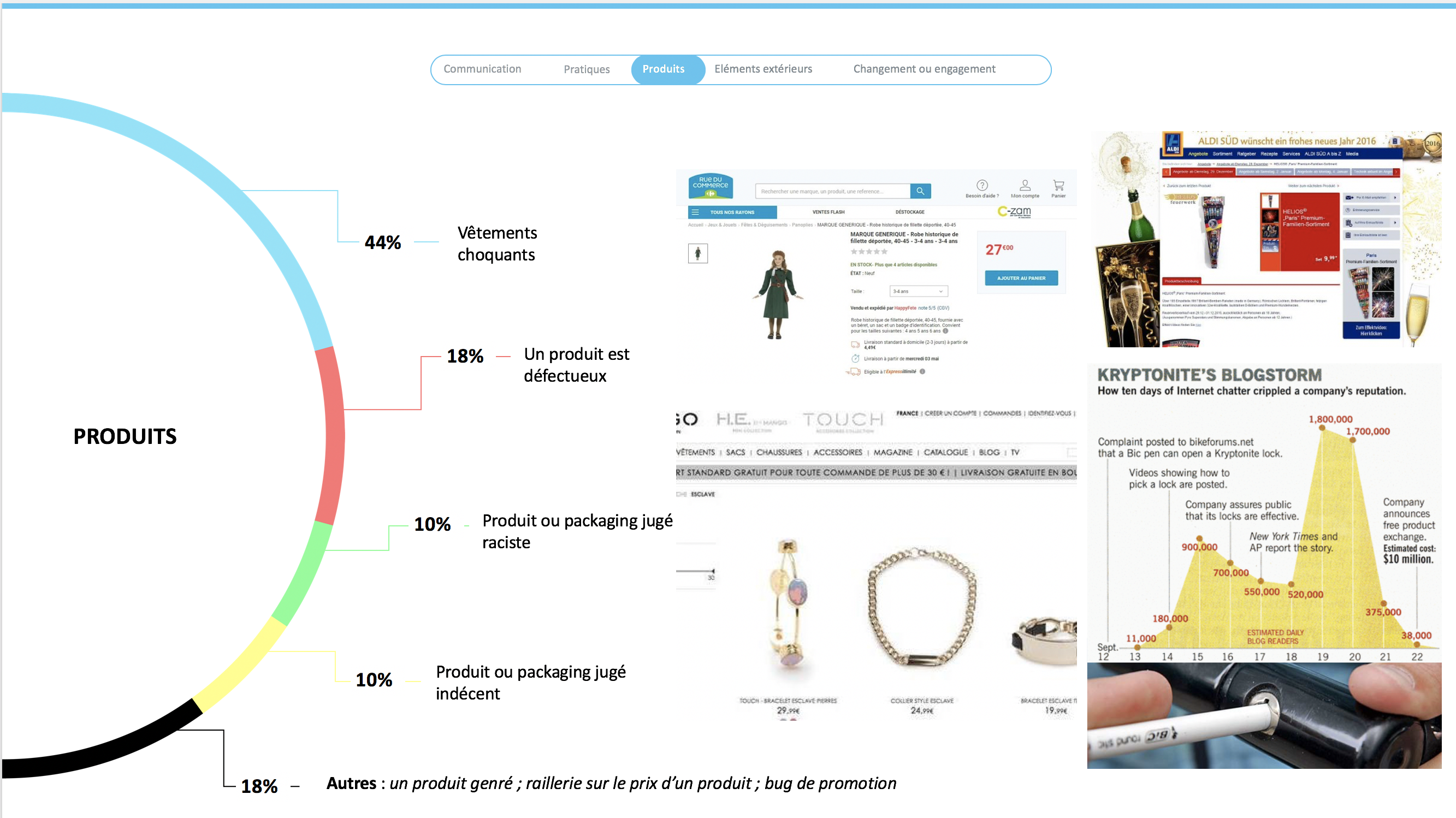
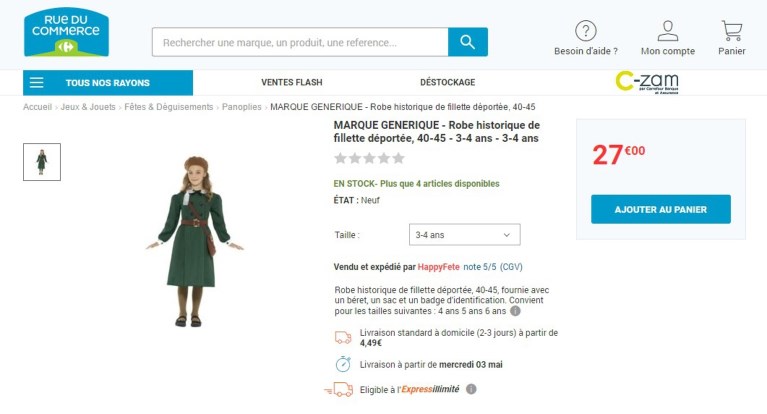
Shocking clothing. “Deported children” costumes were put online on the Rue du Commerce site, which immediately provoked outrage and emotion among internet users.
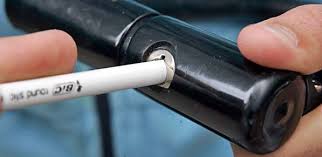
A product is defective. The company Kryptonite, which specialises in making bicycle locks, faced complaints from a customer who, by chance, opened his lock with a pen.
This customer had tried in vain to alert the company, which had remained silent. Exasperated, he ended up posting the video on YouTube. Kryptonite then had to recall all its products and went bankrupt a few months later.
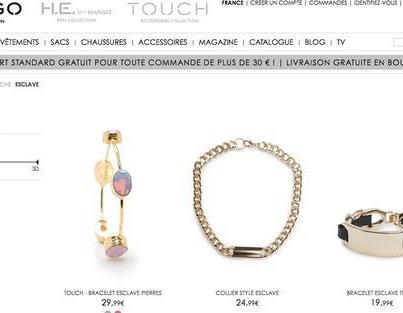
A product or packaging is judged racist. The brand Mango published “slave”-style jewellery on its website. It was reportedly a translation error, because “esclava” means either “slave” or “chain bracelet”.
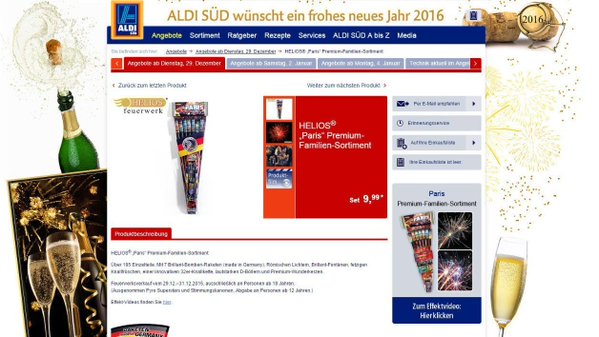
A product or packaging is judged indecent. At the end of the year, unease in Germany where the discount retailer Aldi offered fireworks named “Paris”. Twitter quickly lit up and many German media voiced their dismay. The brand shared its surprise at this torrent of comments, explaining that the fireworks had been on sale since February, well before the attacks.
The other cases are: Gendered product – Mockery of a product's price – Promotion bug
4. External factors
This fourth block represents the external factors that cause the organisation to face a digital crisis.
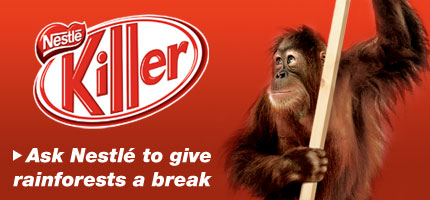
A campaign run by an NGO. Greenpeace ran a full-blown campaign against Nestlé and its use of palm oil in its chocolate. Nestlé tried to censor the video, but this only increased the discontent. Nestlé eventually backed down.
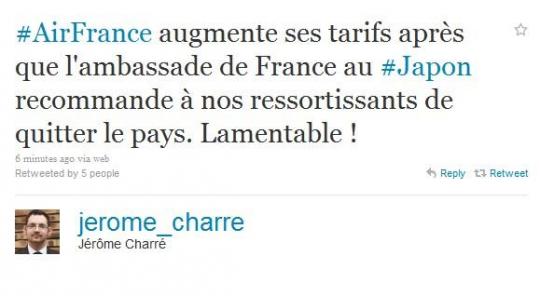
Algorithm not prepared for an abnormal situation. During the earthquake in Japan, French people there expressed their wish to return urgently to France to Air France by tagging it on Twitter and Facebook. Despite this, ticket prices did not fall; they were even higher than those of competitors. The brand also did not respond on the various social networks, because it happened on a Sunday.
Technical problem. A tweet reported the sale of a Bible under the “fiction” genre. That was all it took to spark controversy, given the very religious culture of the USA. The brand apologised and blamed a labelling error affecting only some of the batches. It undertook to withdraw them for relabelling.

The other cases: Behaviour of an outside individual attributed to the organisation – Industrial accident – Suppliers with poor practices – Outage – Dead child – Sector-wide crisis – Bot attack – Disinformation
5. Change or commitment
This last block occurs when a change or commitment by an organisation triggers a digital crisis.
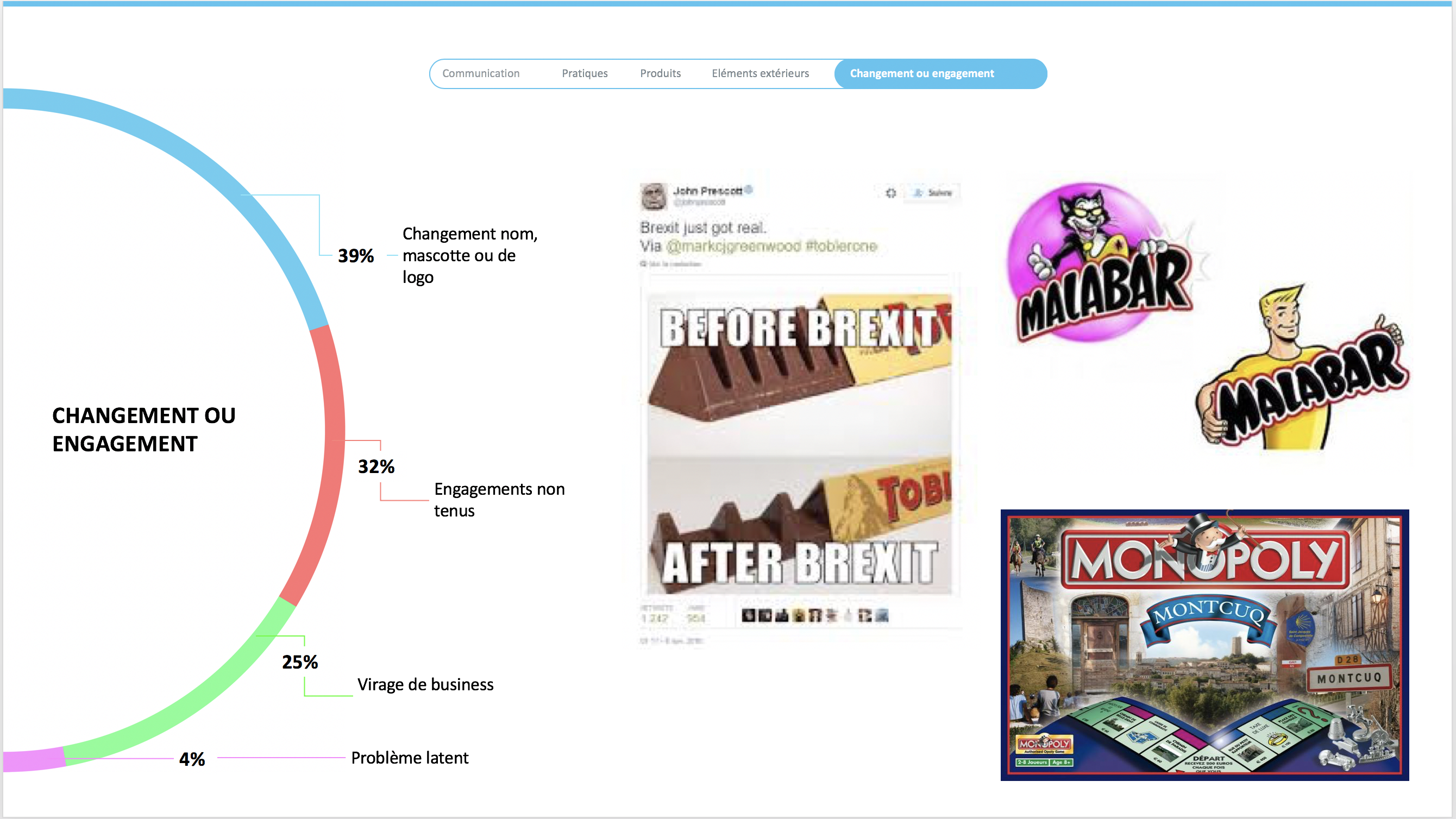
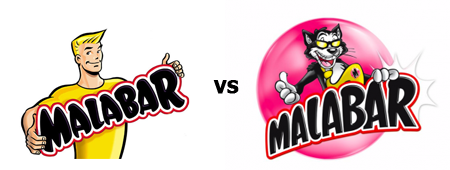
Change of name, mascot or logo. Malabar decided to retire its yellow-T-shirted mascot and replace it with an alley cat. Very quickly, internet users' nostalgia set off a crisis that forced the brand to back down.
Broken commitments. Monopoly organised a voting contest to decide which towns would appear on the board. Despite Montcuq winning, Monopoly refused to add it.

Business shift. To avoid raising the price of its chocolate, Toblerone chose to reduce the amount of chocolate. The reduction was mocked on social media with more than 400,000 tweets.
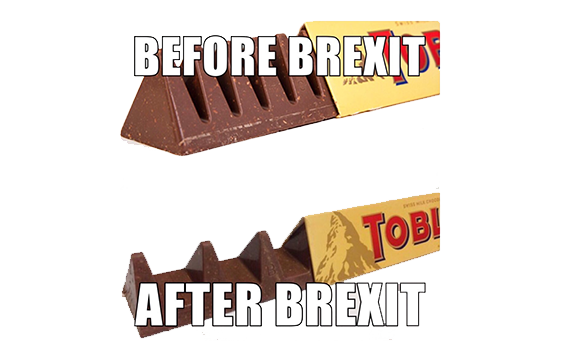
Latent problem. A latent problem is a lasting problem that has not been resolved over time but ends up exploding.
Conclusion
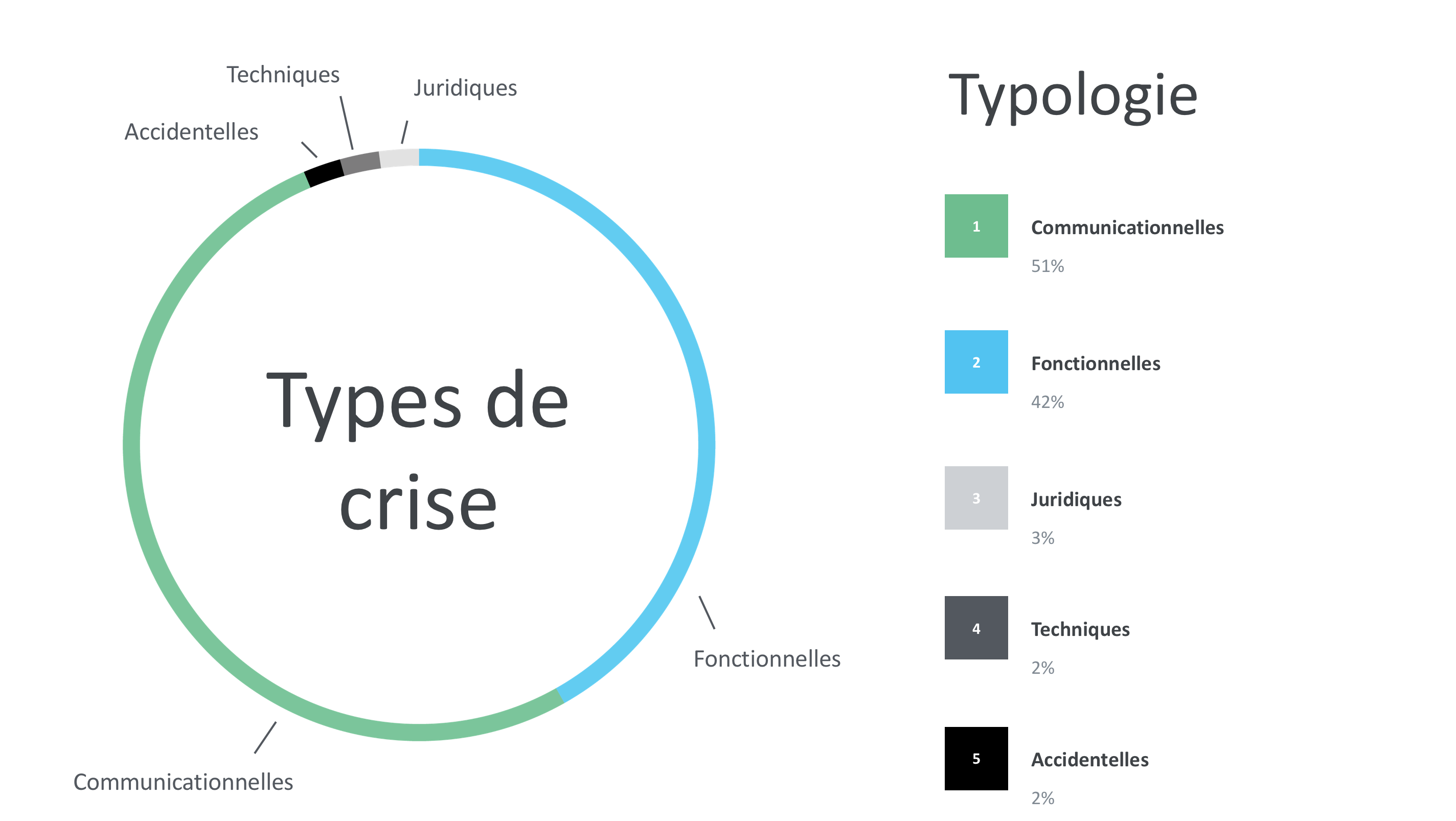
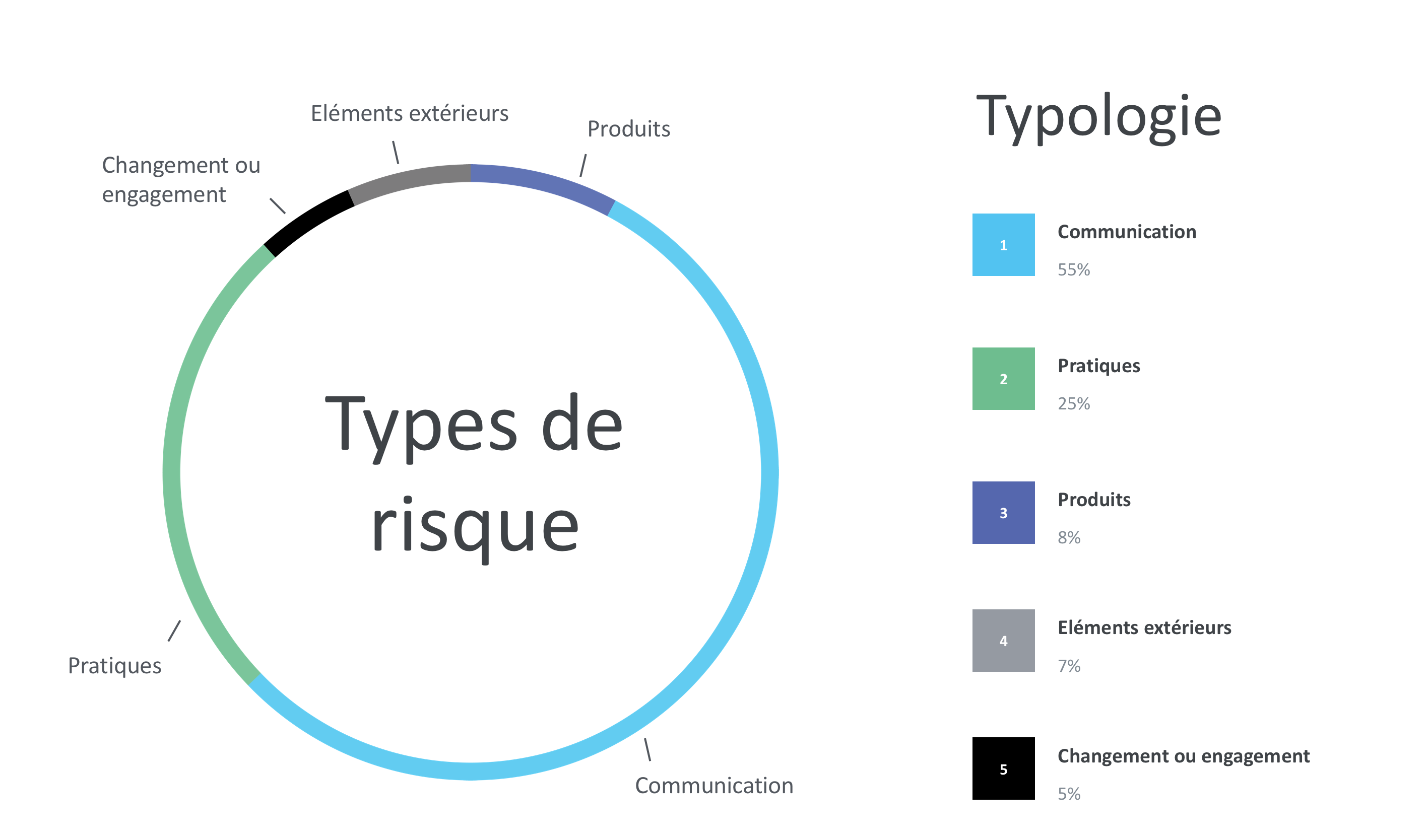
This makes it possible to distribute the various typologies. With these 65 possible risks, we have covered every conceivable possibility.
However, we must never forget that unpredictable and unimaginable cases can always occur.
Indeed, we can see the rise of fakes in digital crisis cases. Vinci had a fake press release, and FisherPrice had a fake toy circulating on social media.
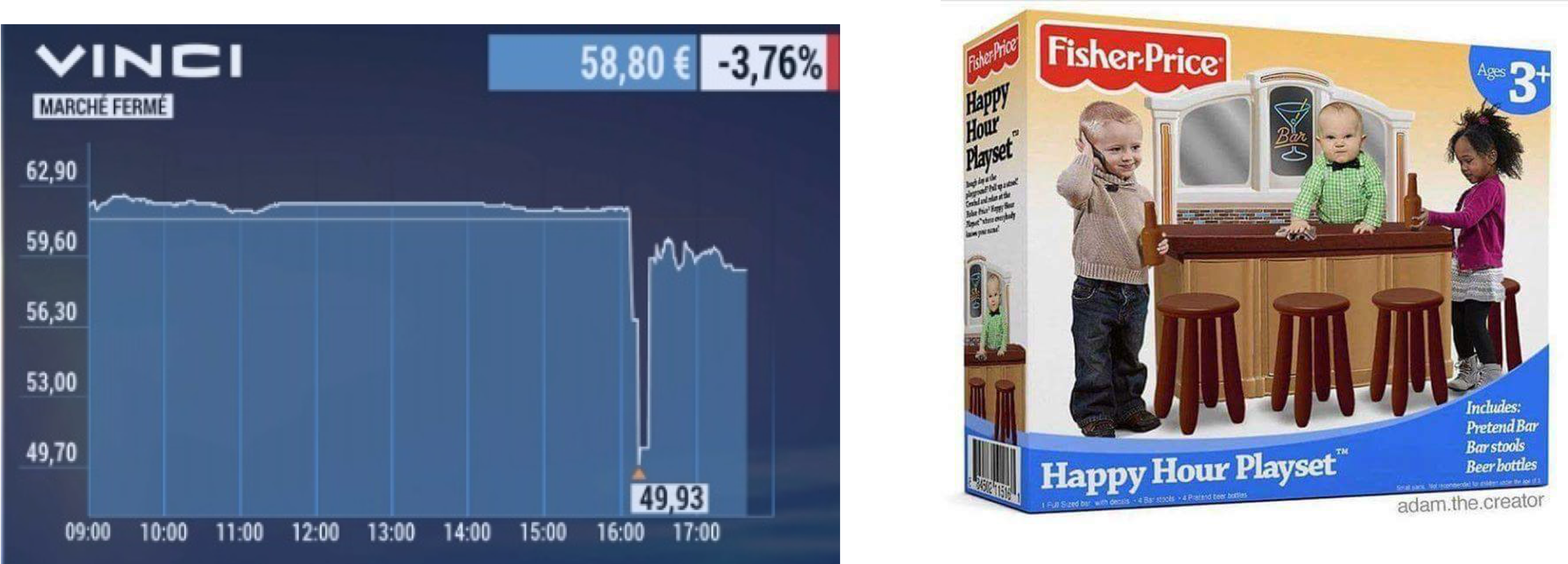
This is a reminder that real crises are those that cannot be predicted, cannot be imagined, and are not foreseen!
Photo credit: Shutterstock